
Operating outdoor security and surveillance cameras

- Products used
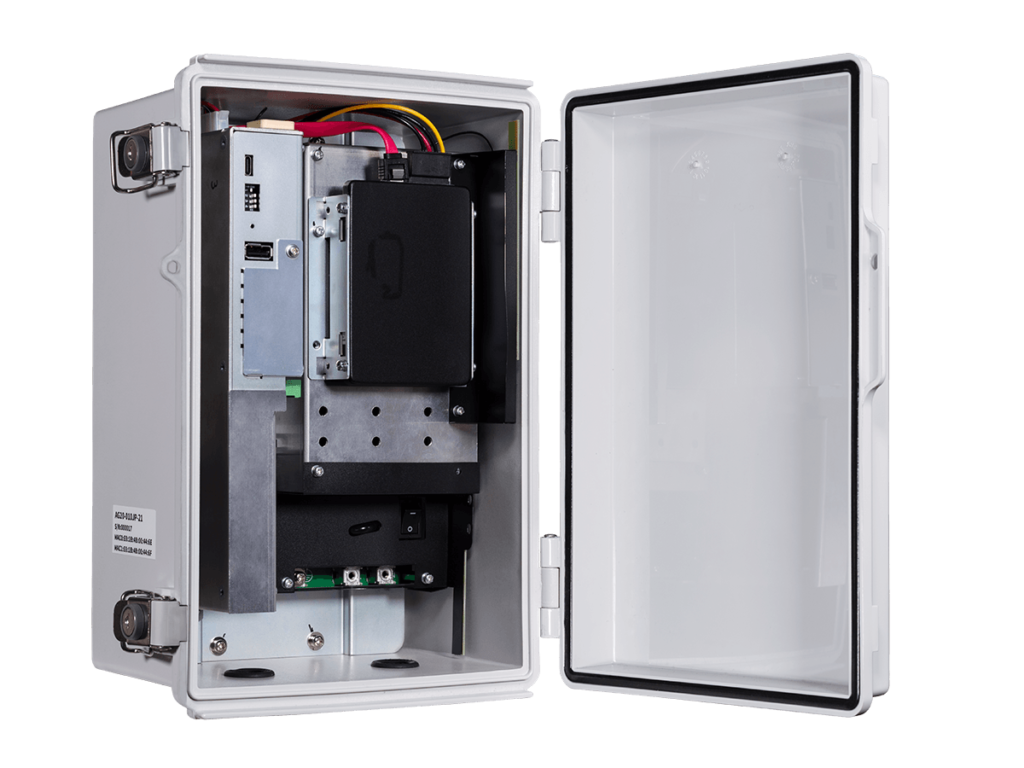
- Edge Gateway (Outdoor) AG20
An efficient, dependable camera system that is easy on the people who operate it
Overview
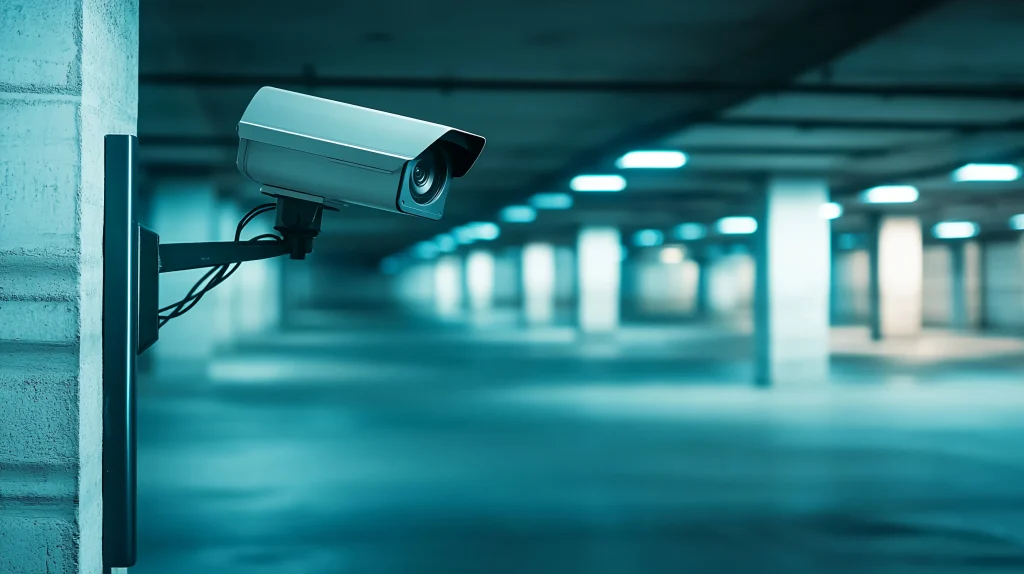
Security cameras are installed all around town, but maintenance has become a problem for long-term outdoor operation. Because of budget limits, some organizations cannot fund upkeep, and some outdoor cameras are said to have stopped without anyone noticing. This article shows an example of using amnimo products to keep maintenance costs to a minimum and make long-term operation possible.

Challenge: The difficulty of on-site repair and maintenance
Security cameras and routers installed high up outdoors often cannot withstand continuous operation, and recording frequently stops. In addition, few industrial LTE gateways meet both quality and cost requirements, which made choosing equipment difficult.
1. A harsh environment with unstable power and direct sunlight
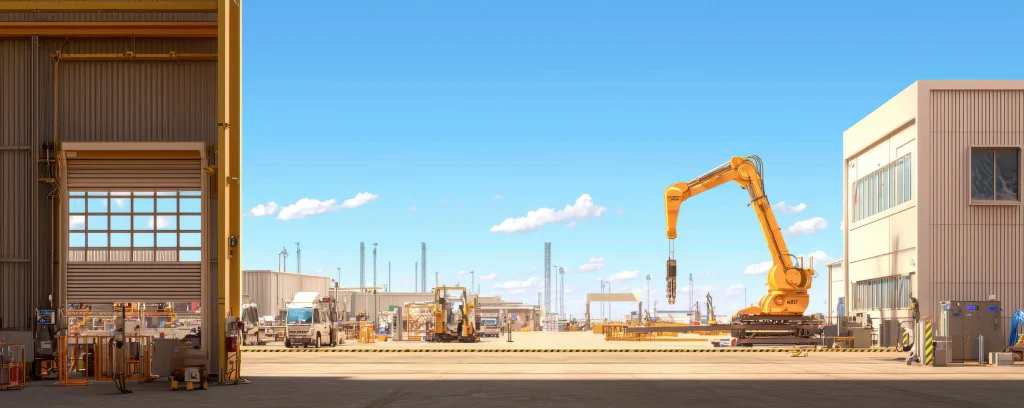
Cameras and routers installed high up outdoors are exposed every day to rain, wind, and direct sunlight. Power is also often unstable outdoors, with frequent momentary power interruptions (Japanese) and power noise. As a result, cameras and routers sometimes cannot withstand continuous operation in this harsh environment, hang up, and stop recording.
2. Recording stops and equipment failures go unnoticed
With surveillance cameras that are not connected to a network, it is hard to notice that a failure has stopped recording. In some cases, when the video is finally needed and the camera is checked, it turns out that nothing was recorded because of an equipment failure.
3. Repairs and regular maintenance that need aerial work platforms
If a camera failure is noticed, it can be repaired, but checking the situation on site and then doing the repair takes time. Regular maintenance requires not only checking the equipment for faults but also swapping SD cards to extract data. This work often requires an aerial work platform. If the equipment has water sealing, the seal must be removed and then reapplied. All of this has been a heavy burden on operators.
4. Many components and high cost
Remote monitoring of security cameras requires many devices, such as a router, a recorder, a PoE (Japanese) hub, and a server. A system built by combining these devices tends to be expensive. When many products are combined, there is also the question of who is responsible for ensuring the whole system works. Problems often occur at the connections between devices, such as connector issues, and those parts may not be covered by any warranty. In addition, you must stay within each manufacturer’s operating conditions, which tends to create constraints.

amnimo’s solution: An efficient, dependable camera system that is easy on operators
1. High environmental durability and protection against momentary power interruptions
amnimo products are industrial LTE gateways with high environmental durability. For example, even if power is lost in a momentary power interruption (Japanese), a large internal capacitor lets the device safely finish writing data to memory before power runs out*1. This keeps the system running as long as possible and prevents data corruption. The outdoor models, which include an SPD*2, also protect against induced lightning surges.
*1. Patented (Japanese Patent No. 6954423)
*2. SPD (surge protective device): a protective device that safely discharges lightning surges and prevents overvoltage and overcurrent from damaging equipment. It is also called a lightning arrester.
2. Stable operation with device health monitoring and automatic recovery
With remote device health monitoring (Japanese), you are notified promptly if a camera stops recording, so you can respond. The device also automatically reboots a camera when it detects that the camera has stopped, so recovery can happen automatically.
3. Far fewer site visits and lower work costs
Using an SSD instead of SD cards reduces maintenance work such as replacing SD cards. You can also retrieve video data, check operating status, and change settings and the system remotely. This minimizes costly maintenance work that requires aerial work platforms or reapplying water sealing.
4. Everything in one LTE gateway
The amnimo Edge Gateway combines almost all the devices needed to build a surveillance camera system in one unit. This lets you build a system for less than gathering the devices separately. We also test the assembled unit as a whole rather than each device individually, so you get a single product warranty covering the whole unit and can use it with confidence.

Note: How this differs from cloud recording
In this use case, recorded data is stored on the device installed on site rather than in the cloud, to create a remote monitoring system that is easy on operators. With cloud recording (Japanese), which stores all video data in the cloud, no recording device is needed on site, and remote video monitoring can be efficient. In this use case, however, we deliberately do not use cloud recording. One reason is that cloud recording uploads video data over a mobile network, which makes running costs high. In addition, with multiple cameras, the amount of data can be large enough to strain the local base station. For these reasons, there are cases where reliably recording video on the device is more suitable than cloud recording.

Products used in this case study
Related case studies
-
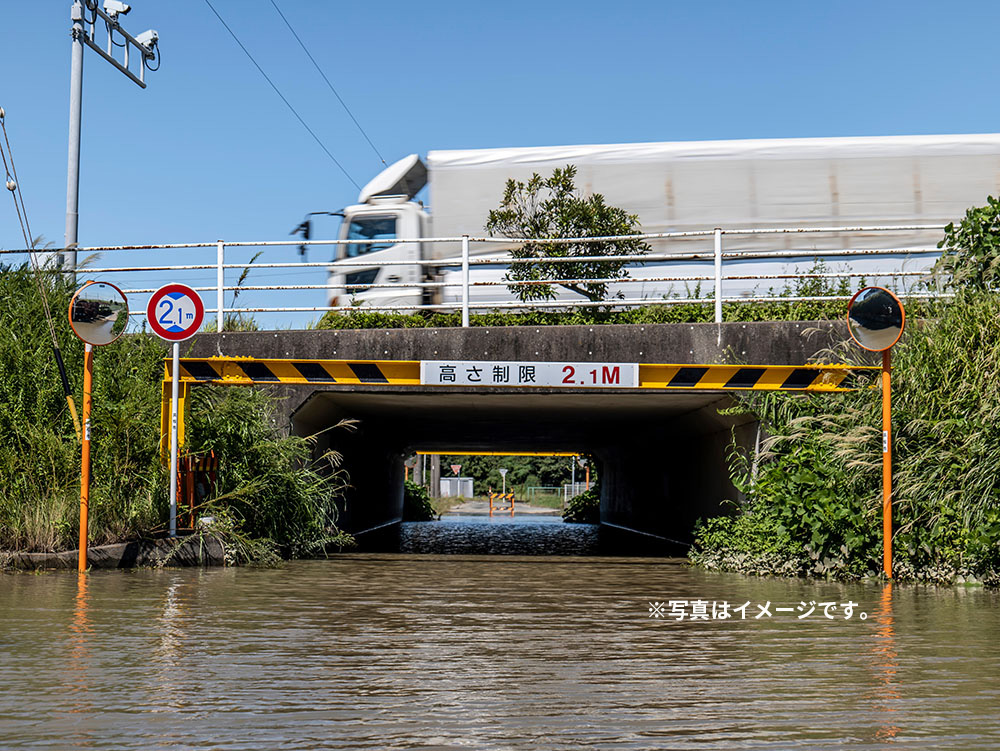 Takaoka City: Underpass flooding monitoring solution
Road Maintenance Division, Urban Development Department, Takaoka City; TAKAOKA CABLE NETWORK CO., LTD.; and SANGIKYO CORPORATION Enhanced Video Management SystemAG20
-
 Toshima City: Disaster preparedness and crisis management camera solution
Disaster Prevention Crisis Management Section, General Affairs Department, Toshima City Enhanced Video Management SystemAG20
-
 More effective park management and monitoring with IoT security cameras
Kazuhiro Sakai, Parks and Green Spaces Division, Urban Development Department, Toshima City (as of June 2023) Device Management SystemEnhanced Video Management SystemAG20




Contact usProduct inquiries and documents
We can help you choose products and put together a package for your application. Consultations are free.