
Toshima City: Disaster preparedness and crisis management camera solution
- Customer
- Disaster Prevention Crisis Management Section, General Affairs Department, Toshima City
- Industry
- Local governments
- Products used
- Enhanced Video Management System, Edge Gateway (Outdoor) AG20
Simpler operation and real-time views of on-site conditions in a disaster
— Disaster Prevention Crisis Management Section, General Affairs Department, Toshima City —
Industry
Local governments
Products
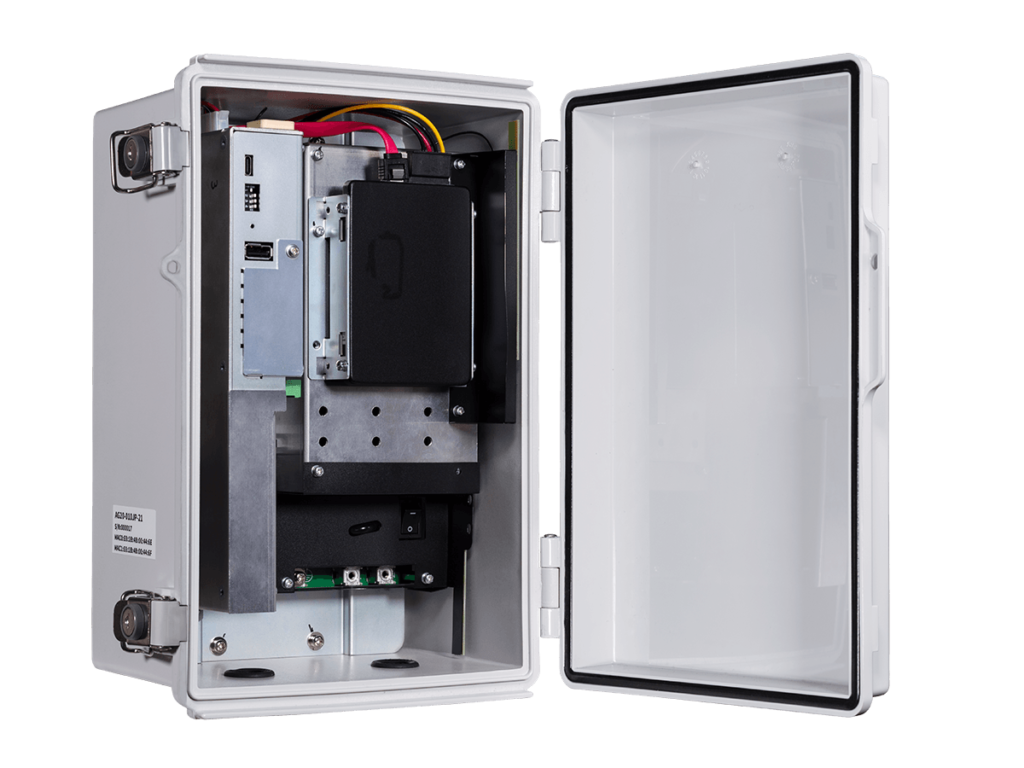
Edge Gateway (Outdoor) AG20 and Enhanced Video Management System
Recommended products
Application
Quickly understanding the situation in a disaster and keeping school routes safe
Challenges
- The disaster preparedness system introduced in FY2015 (April 2015 to March 2016) had aged. Maintenance support had expired and failures were increasing, while the city needed to respond better to frequent large-scale disasters. It also needed to collect disaster information quickly and accurately, give appropriate instructions, and send out information through various channels.
Results
- With amnimo’s camera solution, operation became simpler, and the city can now check on-site conditions in real time during a disaster. Stronger monitoring of school routes and public facilities has made residents and visitors safer and has improved crime prevention in normal times as well. Cloud-based operation allows a quick response when equipment fails and leaves room for future expansion. An overview follows below.
Overview: Background to the project
The Disaster Prevention Crisis Management Section of Toshima City’s General Affairs Department needed to update its comprehensive disaster preparedness system, introduced in FY2015. Maintenance support for the equipment had expired, and failures were increasing. In addition, to respond better to the earthquakes, storms, and floods that have become frequent in recent years, and to keep residents and visitors safe, the city needed to fully replace the disaster preparedness system.
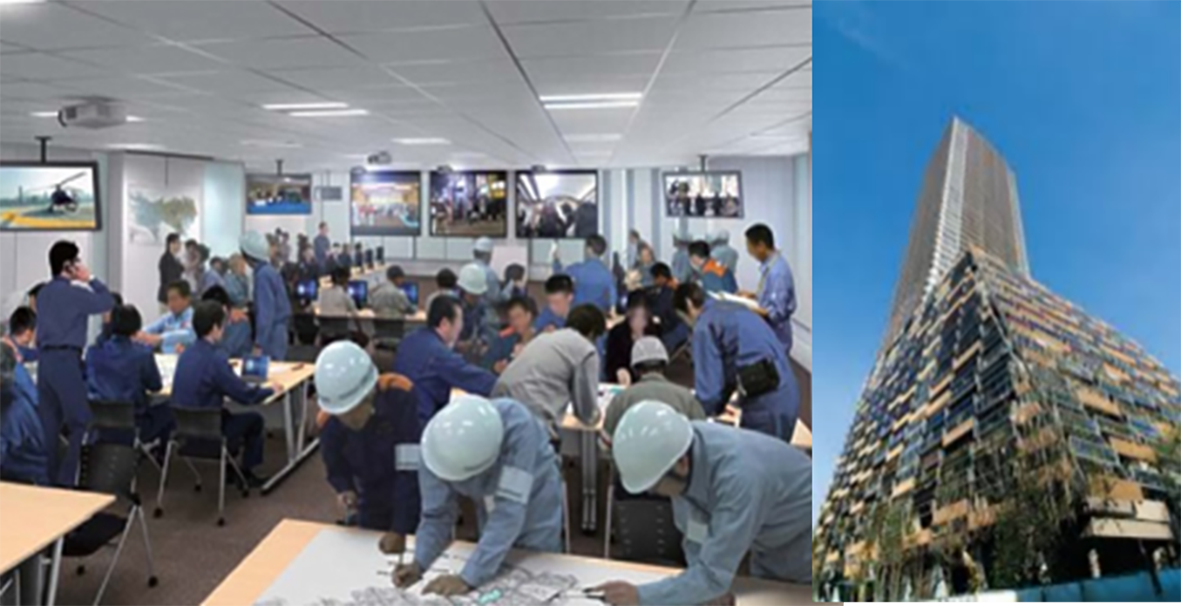
A disaster drill and the disaster response headquarters

Project goals
The goal was to enable a fast and accurate response in a disaster by strengthening information gathering, decision-making, information sharing, and public communication. The city aims to keep residents and visitors safe and to respond to disasters in a way that leaves no one behind.

Why the city chose the amnimo system
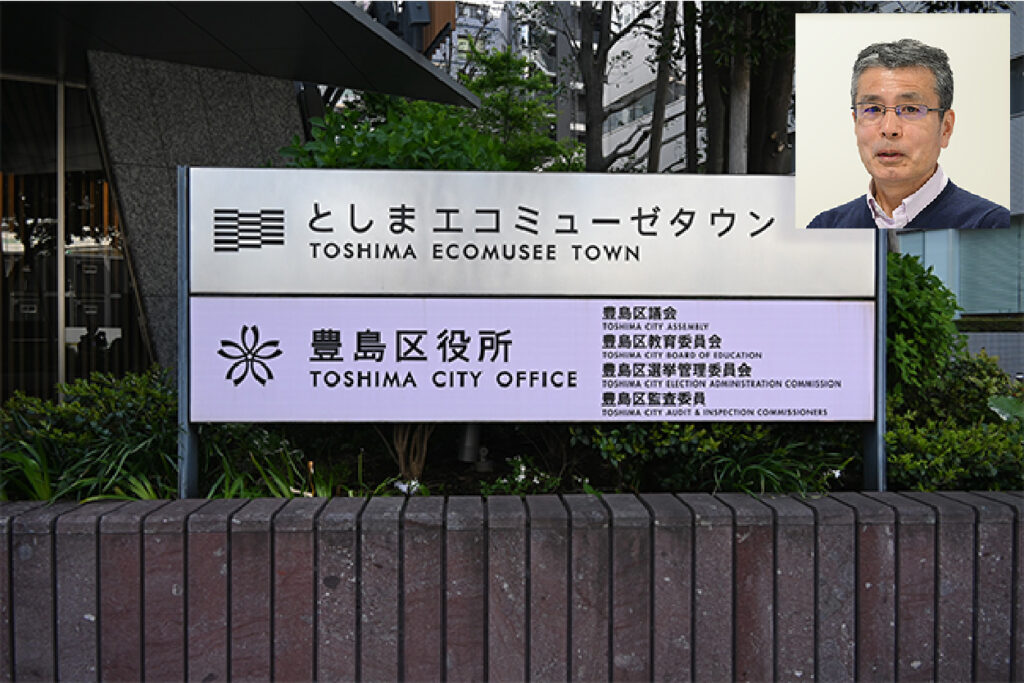
Mr. Ide of the Disaster Prevention Crisis Management Section pointed out problems with the previous comprehensive disaster preparedness system: it was complicated to operate, and checking camera video took a lot of effort. Staff often found operation burdensome, and he came to believe the system needed to be replaced. He said that when investigative agencies requested information, burning images from a PC in the city office network onto media was especially time-consuming. As he began to question “whether surveillance cameras and the disaster preparedness system really need to be one system,” he saw amnimo IoT security cameras already in use by the city’s parks and green spaces division. He noticed how easy they were to operate and how simple the cloud-based setup was. After also considering cost-effectiveness and security, the city decided to introduce an image solution based on the amnimo AG20.
The amnimo system adopted

How the challenges were solved
Making the system easier to use
With the previous system, staff had to go through many steps to check camera video, and extracting video took time. The amnimo system makes camera operation easy and allows simple operation with cloud-based security.

– Dealing with an aging system
The system equipment had aged, and parts had become hard to obtain. Cameras and recording servers had also failed and remained unable to record, so replacing the equipment was urgent.
– The role of disaster preparedness cameras in crisis management
Alongside the replacement of the disaster preparedness system, disaster preparedness cameras will be installed at 11 intersections on school routes from a crisis management perspective. This strengthens the safety of schoolchildren and helps prevent crime. Video from these cameras will be used for local safety management not only in disasters but also in normal times.

Using the camera solution, and future plans
In normal times, the new system is used for coordination with the police and disaster response personnel. Cameras mounted high up at relief centers are used to check conditions before crews are dispatched to a fire. In a disaster, staff can see damage in each area in real time on monitors and respond quickly. The disaster preparedness cameras being installed this time help keep children safe on school routes and are used to check sites when a disaster occurs. The angles of view of the high-mounted cameras were set based on a GIS viewshed analysis and adjusted to avoid overlapping coverage. The system is also cloud-based, so it is designed to adapt flexibly and at low cost in the future, for example by adding cameras, integrating with other systems through APIs, and using image AI.

Using GIS (geographic information systems)
When a fire or disaster occurs, staff remotely operate PTZ cameras* installed on the roofs of relief centers and check live video. Each camera also automatically sends a captured image every 10 minutes. To cover the densely built-up wooden housing areas in the city while avoiding overlap with images from other cameras, the angle of view of each camera is decided in advance based on a GIS viewshed analysis.

The figure above uses a 3D city model (PLATEAU) to show on a map the 360-degree viewshed (yellow-green area) of a camera installed on the roof of Ikebukuro Daisan Elementary School. The figure at upper right shows how the azimuth of each camera is adjusted so that the captured images from the cameras overlap as little as possible. The camera angles on site are set based on these results.
*A PTZ (pan-tilt-zoom) camera is a camera whose pan, tilt, zoom, and other functions can be controlled remotely.
Outlook
In future updates of the disaster preparedness system, moving to a cloud version will allow the system’s functions to be expanded and maintenance to be handled faster. The disaster preparedness cameras, introduced under a lease, support device health monitoring through the Device Management System, as well as remote troubleshooting and failure handling. This is expected to make operation of the whole disaster preparedness system more efficient and to greatly strengthen disaster response.


Products used in this case study

Related case studies
-
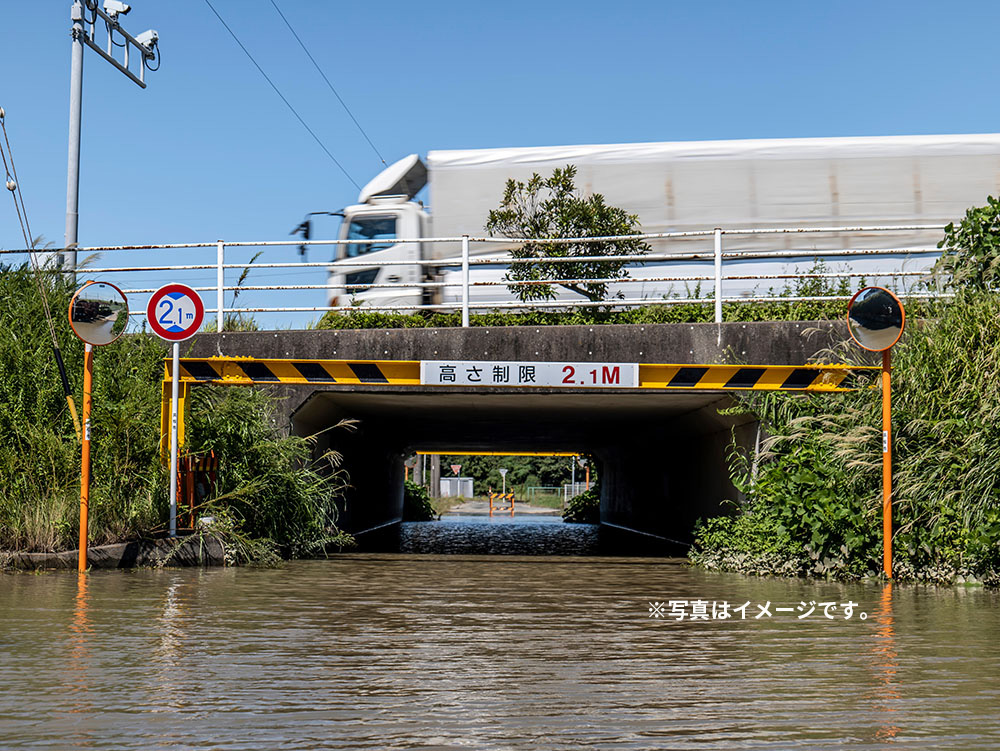 Takaoka City: Underpass flooding monitoring solution
Road Maintenance Division, Urban Development Department, Takaoka City; TAKAOKA CABLE NETWORK CO., LTD.; and SANGIKYO CORPORATION Enhanced Video Management SystemAG20
-
 More effective park management and monitoring with IoT security cameras
Kazuhiro Sakai, Parks and Green Spaces Division, Urban Development Department, Toshima City (as of June 2023) Device Management SystemEnhanced Video Management SystemAG20
-
 Revitalizing the whole town with AI foot traffic measurement
Masahiko Yamada, Director for Digital Promotion, Takayama City AG20





Contact usProduct inquiries and documents
We can help you choose products and put together a package for your application. Consultations are free.