Gateways explained: The basics and examples of use
Dec 20, 2024

With the spread of IoT services in recent years, gateways are being used in a wider range of industries. This article explains the basics of gateways, an essential part of networking: what they are, what they do, and how they are used in IoT.
“Gateway”: A term with a very broad meaning
Literally, a gateway is a way through a gate, meaning an entrance. In the IT industry, however, the word is used very broadly. It can mean the function of relaying traffic between networks that use different protocols (communication methods), or the device that has this function. As a result, it often refers to different things in different fields. For example, in network infrastructure, a gateway is a device that forwards data between different networks. In the IoT (Internet of Things) industry, it often refers to a device that processes data and signals. In this way, the term “gateway” plays different roles depending on the field.
What “gateway” means in the IoT industry
In the IoT industry, the term “IoT gateway” is used, and it often refers to a device with specific functions. In general, devices called IoT gateways have the following features:
- Connection to sensors and external devices: An IoT gateway can take in signals from sensors and various external devices.
- Signal processing: It has a CPU with high processing power. Programs running on the CPU process and analyze the incoming signals and output the results.
- Internet connection: It connects to the internet over a mobile network or Wi-Fi and can send data to the cloud or servers.
With these features, an IoT gateway plays an important role: it collects information from devices on site, processes it, and sends the data where it is needed.
The role of an IoT gateway
In an IoT system, the IoT gateway plays an important role in exchanging data between sensors and devices on site and the cloud or servers on the internet. The gateway is installed on site. It gets information from sensors and external devices, analyzes and processes the data, and sends it to the cloud or servers over the internet. In the other direction, external systems can work with programs running on the gateway to control equipment on site. This process lets you see what is happening on site from a remote location and control on-site equipment from outside, which enhances the functions of the whole IoT system.
How do gateways differ from routers?
In the IoT industry, there are also “IoT routers,” which play a similar role to IoT gateways. There is no definition that clearly separates the two, but they are generally said to differ in the following ways.
An IoT router generally connects to external devices over Ethernet and cannot take in signals from sensors. Many IoT routers also cannot run special signal processing or custom programs. The main role of an IoT router, as generally described, is to relay IP packets through its physical interfaces.
An IoT gateway, on the other hand, can connect to external devices through a variety of interfaces. It can take in and analyze signals from sensors and run custom programs. In this way, the gateway is an important device for edge computing in IoT systems, and it handles data processing on site.
Video and AI open up new uses for gateways
In the past, IoT gateways did not have enough power to process video. Recently, however, high-performance gateways have appeared, and some can take in video from cameras and record and analyze it. IoT gateways with AI accelerators have also appeared, and they can run AI processing on video at high speed. As a result, IoT gateways can now handle a much wider range of applications, including video data analysis and real-time AI processing, in addition to processing data from conventional sensors and external devices. With this evolution, IoT gateways are taking on more and more functions and creating new business opportunities.
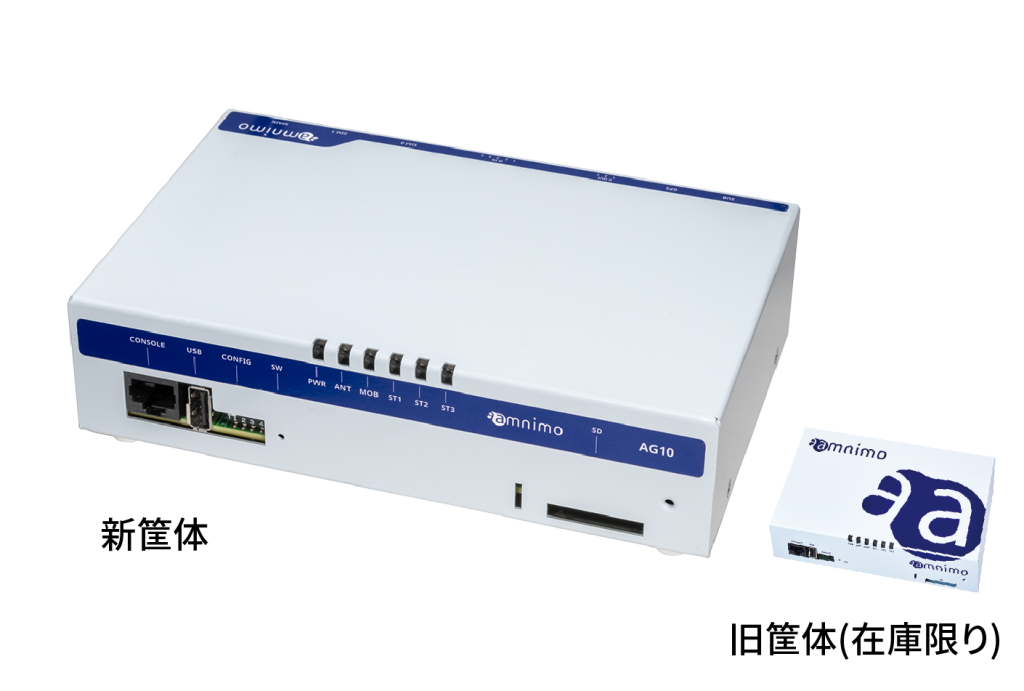
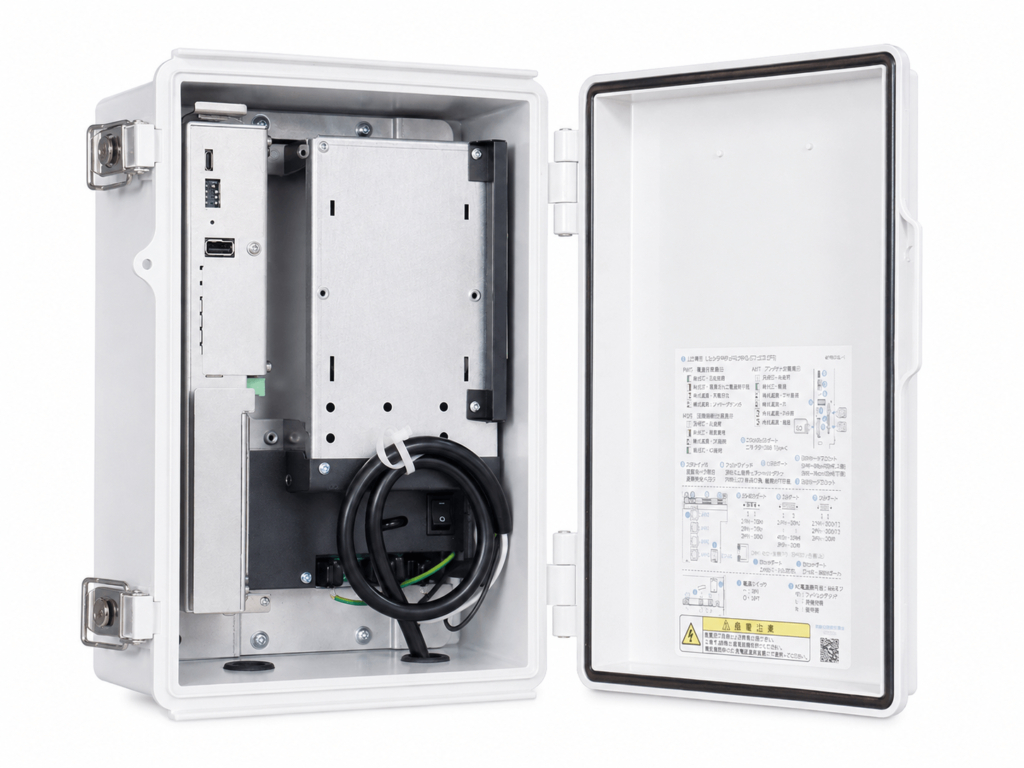
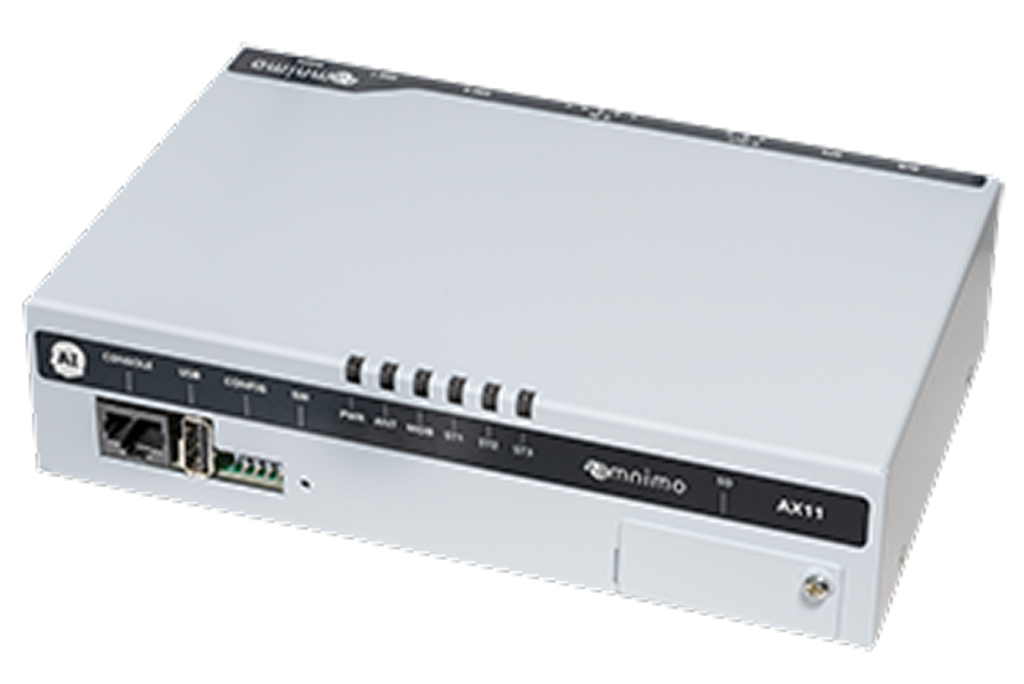
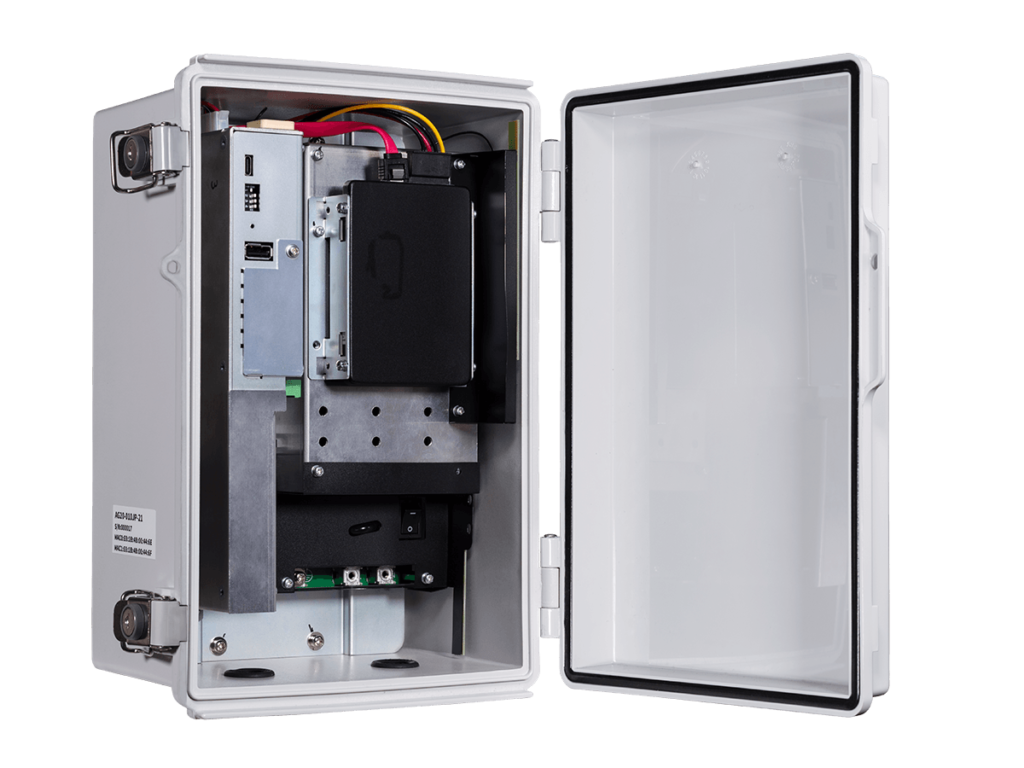
IoT gateways from amnimo
amnimo designs and develops its own IoT gateways and offers several models for different applications and installation environments. You can download an introduction to each model from the links below.
Contact usProduct inquiries and documents
We can help you choose products and put together a package for your application. Consultations are free.