How to reduce the “hidden costs” of a security camera system while making it more efficient
Nov 28, 2023
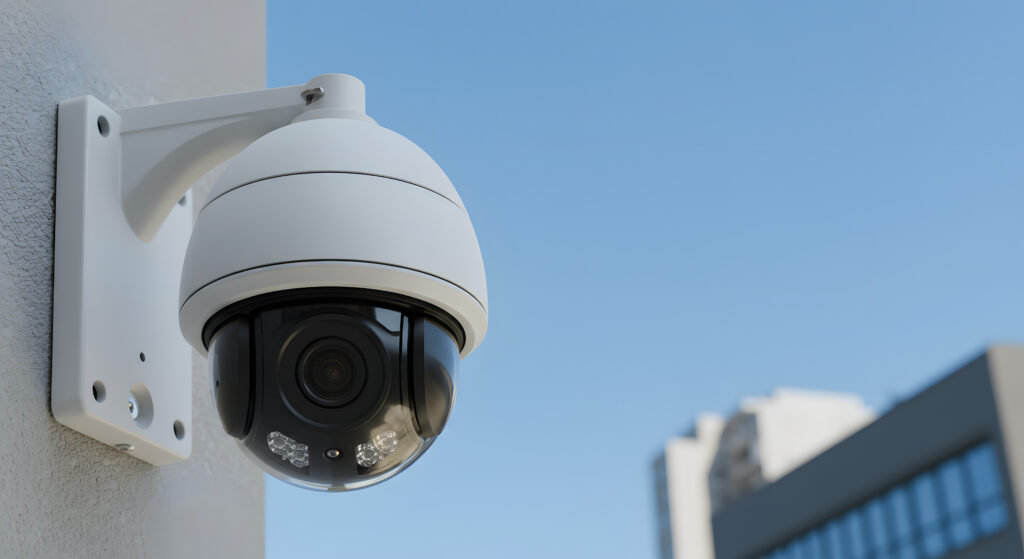
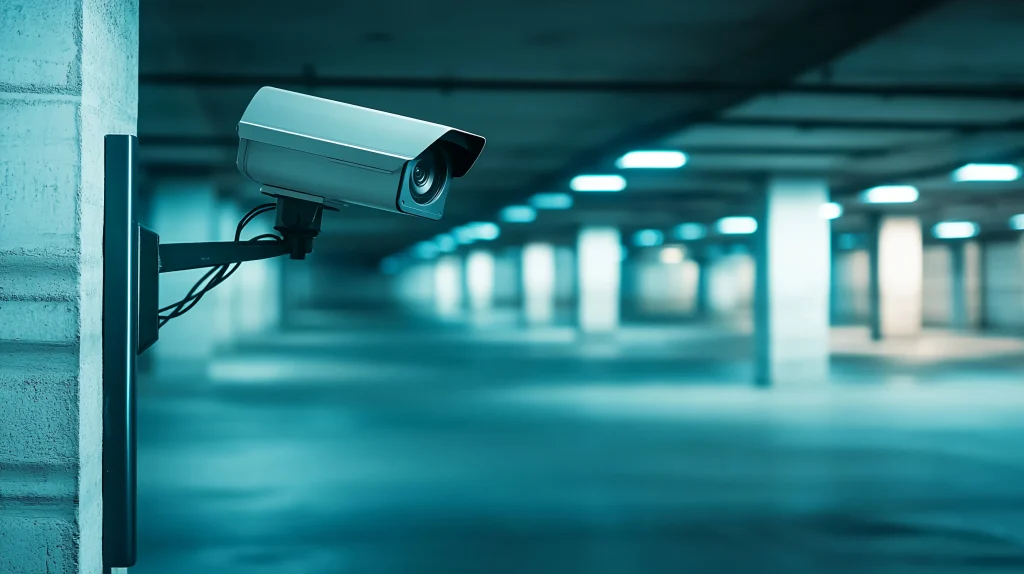
Security camera systems are an effective way to reduce the labor costs of patrols and guarding. Besides the initial costs, such as the cameras and installation, they also involve many operating costs. Operating costs in particular tend to become “hidden costs,” and reducing them takes some planning. This article explains how to reduce the hidden costs of a security camera system while making it more efficient.
Recommended products

The costs of security cameras
Using security cameras involves two broad types of cost: initial costs and operating costs.
Initial costs: cameras, system design, system development, and installation work
When a company installs multiple cameras, the first cost is the initial cost: purchasing the cameras and the other hardware and software in the system, designing and building the system, and installation work on site.
The initial cost depends on the scale of the installation, but even a single business-grade camera is said to cost about JPY 300,000. For a perimeter security system at an important facility such as an airport, the cost can reach tens of millions of yen or more, including equipment and installation work.
Operating costs: inspections, data management, and more
The second is the operating cost of maintaining the system, such as regular inspections of the security cameras, management of recorded video, and communication fees. On top of this come the labor costs of the staff who maintain and manage the system and recorded video.
Unlike initial costs, these are called “hidden costs,” and operating costs may grow very large before you notice.
This article focuses on the operating cost challenges of security camera systems and explains how technologies such as IoT and the cloud can address them and make work more efficient.
The next section looks at the kinds of operating costs a security camera system involves.
What are the operating costs of a security camera system?
The operating costs of a security camera system include management and maintenance costs specific to the system you use. Systems can be broadly divided into two types.
The operating costs of each type are explained below.
Case 1: Systems that store data in on-site storage
The first type is a system that stores data in on-site storage. The security camera uses storage such as an SD card, and data is stored on site where the camera is installed.
An advantage of this system is that there are no data communication fees. However, the recorded video stays where the camera is installed, and cameras are mounted high out of reach, so in many cases an aerial work platform is needed to retrieve the data. This work must be done by a person qualified for work at height, and depending on how the housing is sealed against water, the device may even have to be taken back to the office to swap the SD card.
In addition, someone may have to be sent to the site just because a camera has frozen, and securing workers and paying for their labor is a heavy burden.
Case 2: Systems that send data to cloud storage
The second type is a system that continuously sends video captured by security cameras to cloud storage. An advantage of this system is that there are no labor costs for retrieving data. However, continuously sending recorded video results in very high communication fees.
You can lower the recording quality to reduce communication fees, but the video becomes coarse and may no longer serve its purpose as security camera footage, which defeats the point.
Maintenance fees for keeping the system running
Both types of system also require maintenance fees to keep the system itself running. Software and firmware updates, and recovery when problems occur, may involve labor costs. The larger and more complex the system, the higher these costs.
As shown above, the challenge with installing security cameras is the operating cost, a hidden cost. So is it possible to reduce operating costs while making management work more efficient?
Two steps to reduce operating costs while improving efficiency
Reducing operating costs while improving efficiency calls for considering a new system. The following steps help.
1. Identify the hidden costs
The first important step is to identify the hidden costs in your current setup.
Most hidden costs are labor costs that arise when people do the work. Typical examples include:
– Working at height to retrieve video
– Sending staff to the site to recover a frozen camera
– Spending long hours on a PC editing retrieved video for submission
Identifying and visualizing the costs of these tasks makes it easier to compare your current system with a new one.
2. Consider a new system
Once you have identified the hidden costs, start considering a new system.
An effective choice is a system that automates work that used to require people, for example by removing the need to retrieve data from cameras at height, or by letting you recover from freezes remotely.
A system that shortens time-consuming tasks, such as editing video for submission, also reduces labor costs and makes work more efficient.
We have explained the steps toward reducing operating costs while improving efficiency. One option for achieving this is to introduce an advanced system. The rest of this article introduces a new system that uses both on-site storage (the edge) and the cloud.
amnimo video solutions: a hybrid of edge and cloud
amnimo’s video solutions let you operate surveillance cameras in a unified way.
The system is a hybrid of edge and cloud: the Edge Gateway, an IoT gateway installed on site, records continuously to its built-in SSD and uploads only the information you need, such as video of detected abnormalities, to the cloud. With the Enhanced Video Management System, an application service in the cloud, only the people who need it can view and download only the video they need, immediately, anytime and from anywhere.
With the Device Management System (DMS), you can also monitor the health of on-site cameras and edge gateways and update their firmware in bulk, remotely. As a result, you can retrieve recorded video when needed without spending on labor or incurring extra communication fees, and maintain and operate the system itself efficiently and at low cost.
Security and surveillance cameras: from “installing and recording” to “putting video data to use”
Security and surveillance cameras are used in many places in our daily lives, and their role is shifting from being installed as a deterrent to having their video data put to use.
Behind this are major advances in camera performance (the eyes), internet, cloud, and wireless communication technologies (the nerves), and AI image analysis technologies (the brain).
amnimo provides video solutions that combine IoT gateways and routers built for harsh environments with cloud services well suited to IoT and camera operation. We provide them to sites in many industries where camera operation must not stop, 24 hours a day, 365 days a year.
If you are considering “a camera system that lets the right people see the video they need, when they need it, in real time” or “a camera system that supports AI image analysis and integration with other systems,” amnimo is well suited to your needs.
To learn more about amnimo’s video solutions, which keep operating costs down while improving efficiency, use the links below to see service overviews and case studies, and to request documents.
Recommended products
Recommended products

Products related to this article
Contact usProduct inquiries and documents
We can help you choose products and put together a package for your application. Consultations are free.