IoT devices that stand up to condensation: Protecting the service life of outdoor IoT devices
Dec 18, 2024

One of the major challenges for IoT devices installed outdoors is condensation. Condensation is the formation of water droplets when air containing water vapor cools. In outdoor IoT devices, condensation can cause failures and reduced performance. Specifically, moisture that gets inside a water-resistant enclosure turns into water vapor, and when the temperature drops, water droplets form inside the device. This is what causes problems.
How condensation forms
Condensation occurs when water vapor in the air touches the surface of a cold object, cools, and turns into liquid.
Condensation requires the following conditions:
1. Water vapor in the air:
When humidity is high, there is more water vapor in the air.
2. A cold surface:
When water vapor touches a cold surface, such as a window or wall, the low temperature turns it into liquid.
3. Reaching the dew point:
As air cools, the water vapor in it becomes saturated. The air can no longer hold more water vapor, and condensation forms.
For example, in a heated room in winter, when the outside air is cold, windows become cold, and water vapor in the air condenses into droplets on their surface. This happens because the temperature of the window has reached the dew point.
Condensation measures for outdoor IoT devices
Many IoT devices are housed in water-resistant boxes when installed outdoors. IP65 and IP66 are common ratings for dust and water resistance, and they ensure a certain level of protection. However, these ratings describe resistance to water sprayed onto the device. They do not guarantee full protection when water droplets remain on the surface for a long time.
Especially in long-term outdoor operation, temperature changes are large and the risk of moisture getting in is high. When the temperature drops, condensation can form inside IoT devices installed in water-resistant boxes, which can eventually cause malfunctions. For this reason, the water resistance defined by IP ratings alone is not enough to fully prevent condensation.
Problems caused by condensation
When condensation forms inside an IoT device, it can have the following effects.
1. Malfunctions:
Water droplets inside the device can affect circuits and sensors and make the device unstable.
2. Failures from rust and corrosion:
Moisture left inside can rust or corrode circuit boards and metal parts, which can lead to device failure over long-term use.
amnimo’s measures against condensation
amnimo’s outdoor IoT devices are not only dust- and water-resistant (IP65 or IP66), but are also carefully designed against condensation. They have the following three measures, so you can use them with confidence outdoors.
1. A mechanism that prevents pressure differences between inside and outside:
If a device is completely sealed, a pressure difference develops between the outside air and the inside, and this difference draws in moisture. amnimo devices have a mechanism that prevents a pressure difference between inside and outside, which keeps unwanted moisture out.
2. Coated circuit boards:
The devices are protected by a water-resistant enclosure and the pressure-equalizing mechanism. Even so, in case condensation does form, the circuit boards have a special coating. This coating prevents failures and deterioration even if condensation forms.
3. Vertically mounted circuit boards:
amnimo’s outdoor IoT devices are designed with their circuit boards mounted vertically. If condensation forms, water droplets run down instead of staying on the board.
Summary: A suitable choice for outdoor IoT systems
amnimo’s outdoor IoT devices are water-resistant and have three built-in measures against condensation, which makes them well suited to outdoor operation. When you build a video system or IoT system outdoors, consider amnimo devices as one of your options. They can greatly reduce the risk of malfunctions and failures caused by condensation.
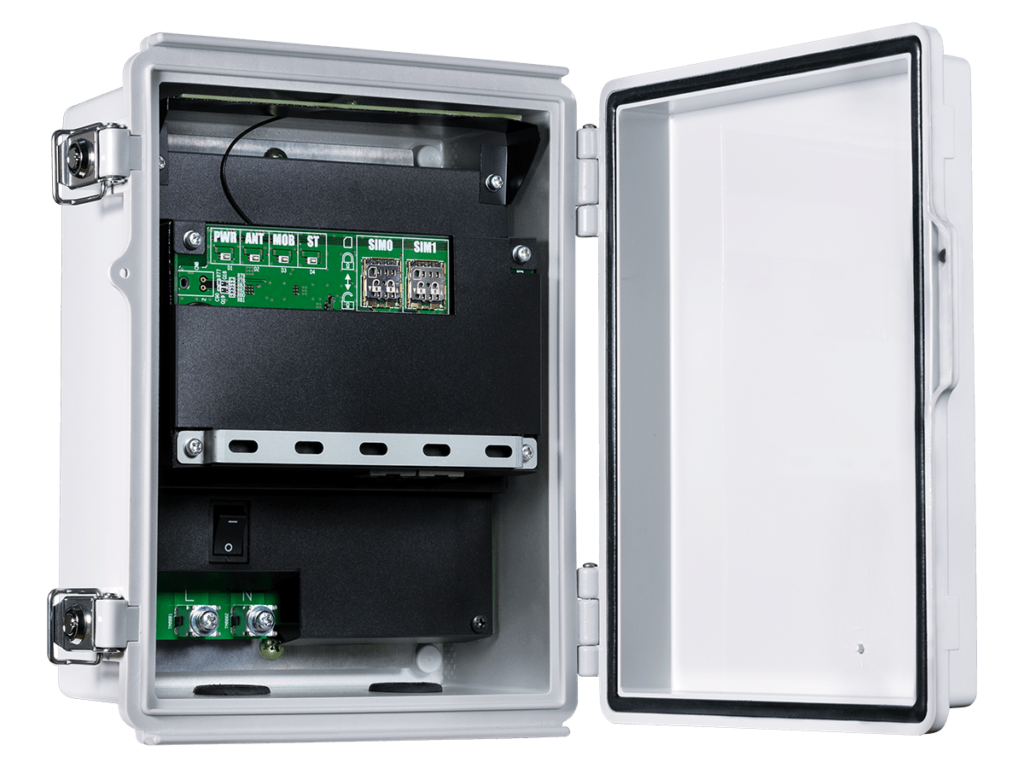
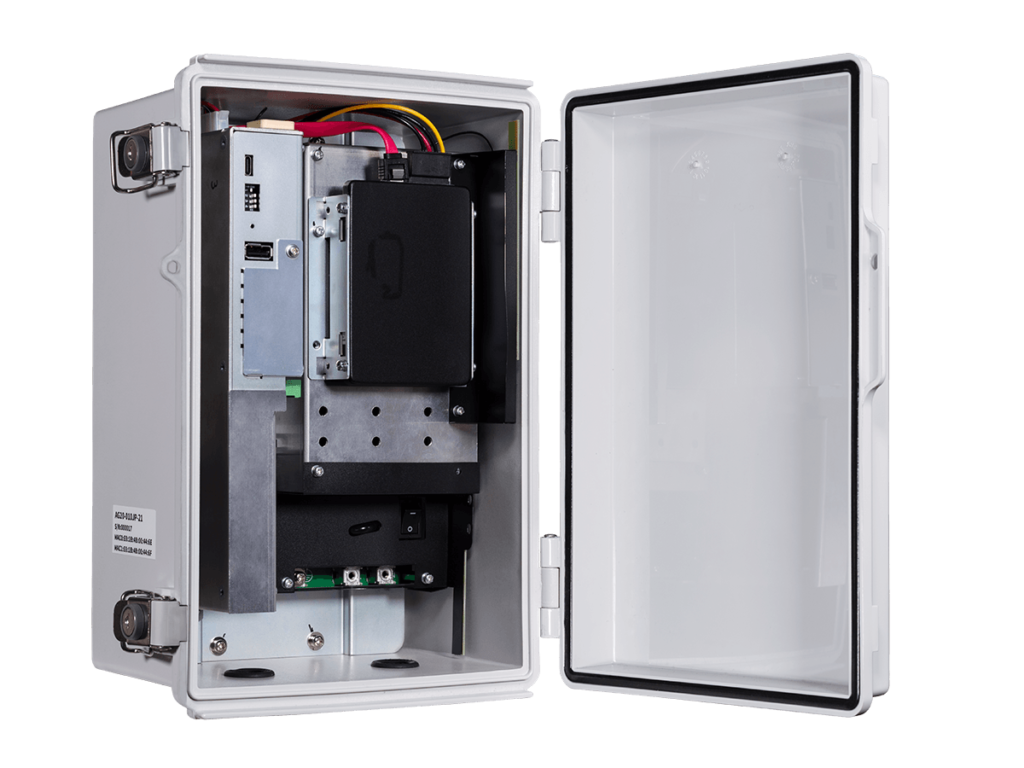
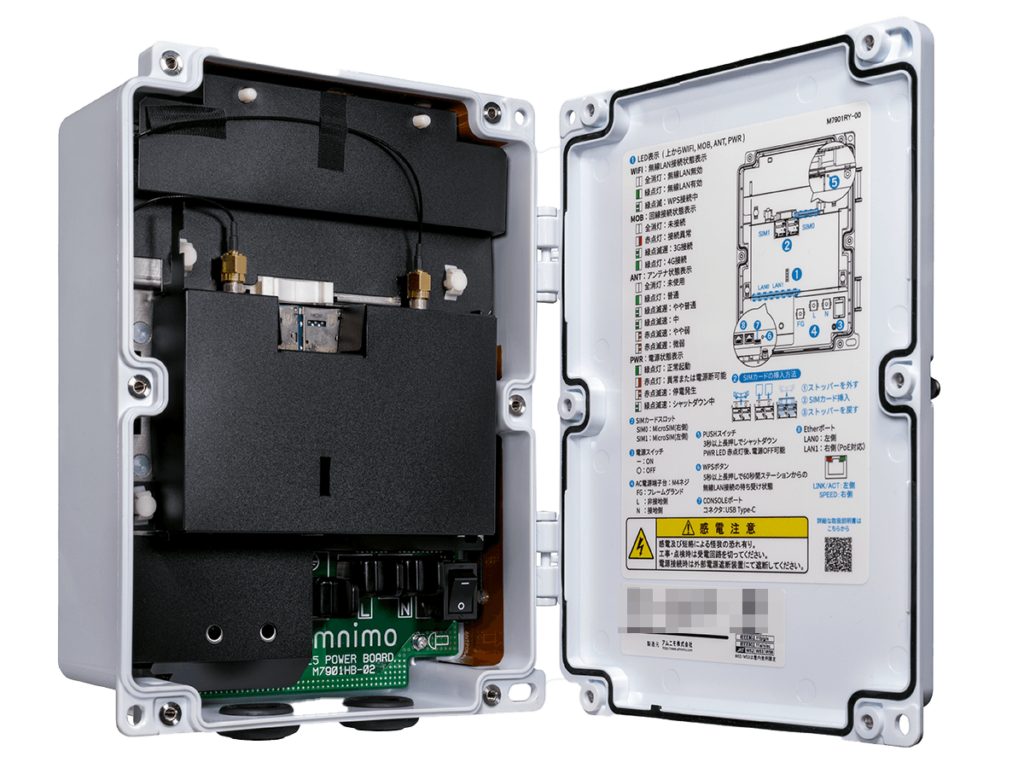
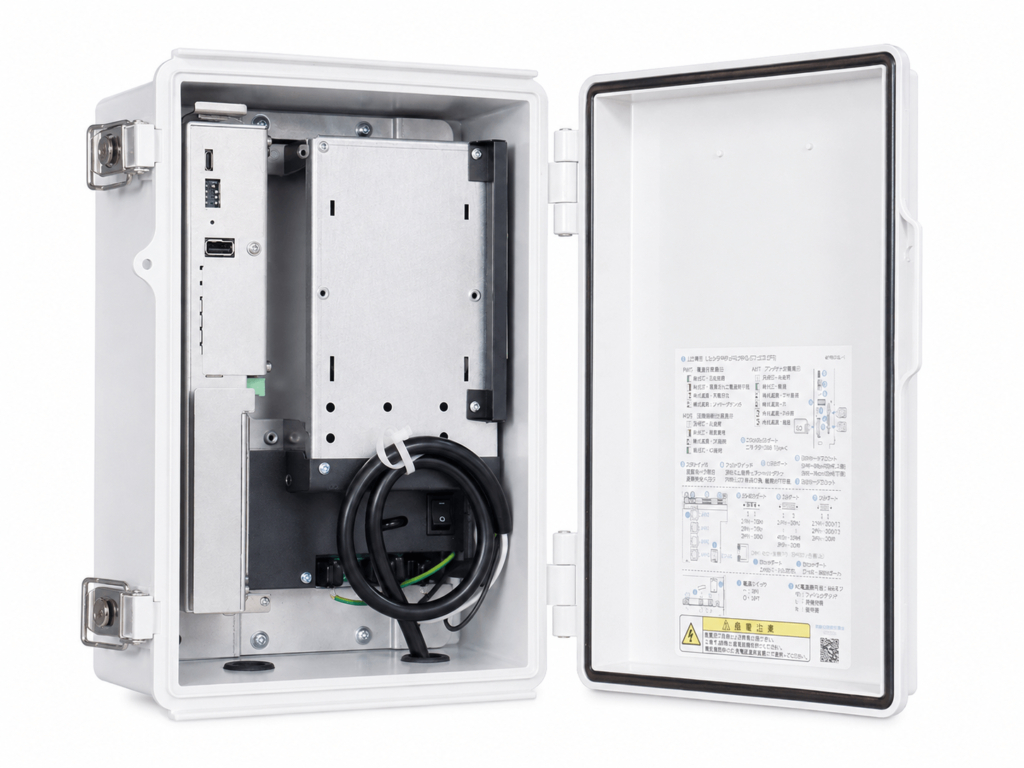
The following amnimo outdoor devices have these condensation measures.
Contact usProduct inquiries and documents
We can help you choose products and put together a package for your application. Consultations are free.