
Security camera solution for railway cars

- Products used
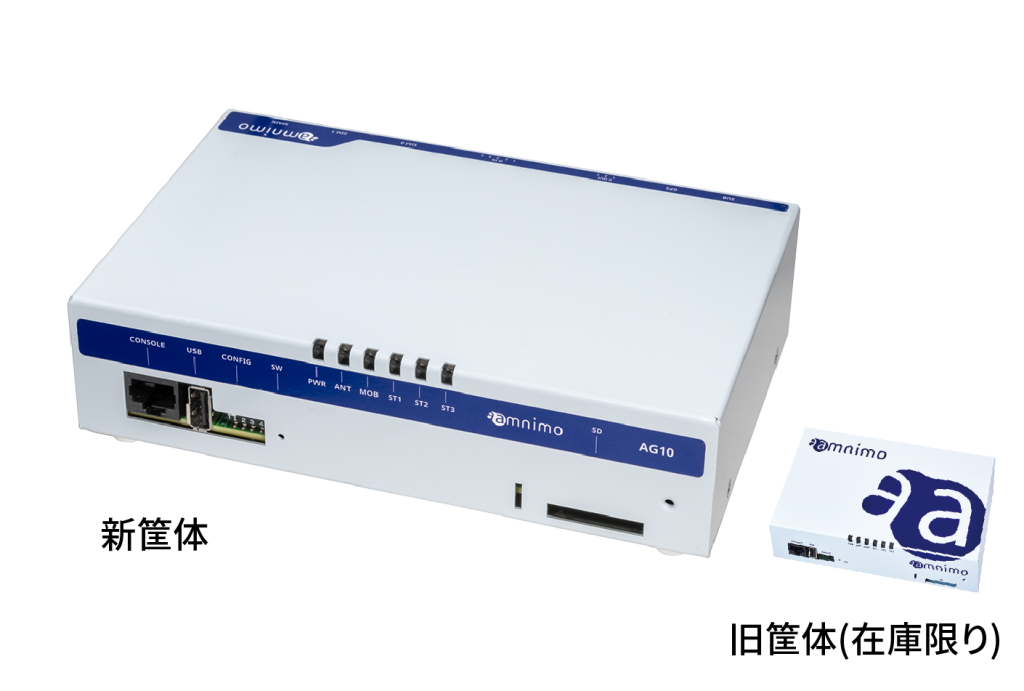
- Edge Gateway (Indoor) AG10
View video from inside trains in real time, even from remote locations
Overview: Security cameras in railway cars become mandatory
In 2021, following incidents inside railway cars, the Ministry of Land, Infrastructure, Transport and Tourism (MLIT) announced a policy to require security cameras in railway cars when cars are newly built or undergo major renovation. Installing security cameras is a very effective way to prevent incidents inside railway cars. In some regions, security cameras are already common on trains. In recent years, attention has turned to systems that do more than just install cameras: they work with alarm devices and security systems so that video can be viewed in real time. This article presents an example of using security cameras not only as a crime deterrent but also to respond quickly in real time based on the surveillance video.

Challenge: Real-time video monitoring and information sharing are difficult
When camera video data is collected all at once after a car returns to the depot, it is hard to view video in real time. It takes time to understand which car has a problem and what kind of problem it is.
1. Viewing camera video in an emergency takes time
When camera video data is collected all at once after a car returns to the depot, the data is used by checking video after an incident or accident. This helps with investigations and finding causes, but because video cannot be viewed in real time, it does not help staff quickly understand the situation when trouble occurs.
When video is recorded on SD cards, it can only be viewed on site, and sharing it with headquarters, other locations, or the police can take time.

2. Unstable communication
To check footage in real time from a remote location, you need a security camera system that uses the internet. Cameras on railway cars cannot use a wired internet connection, so mobile communication such as LTE is often used. However, when mobile-connected security cameras are installed on trains, communication becomes unstable in tunnels and on curves. With camera systems that record video continuously over a mobile network, video data from those periods may be lost.
3. Load on the mobile network and cost
Cloud-based camera systems, which continuously send video data to the cloud over a mobile network, are spreading across many industries. However, video data is very large. Sending all of it over a mobile network risks higher communication costs and congested bandwidth.
amnimo’s solution: Real-time video monitoring of cars supports a fast, appropriate response to trouble
Multiple locations can view thumbnail images sent at regular intervals during normal operation, and real-time video in an emergency. Because the system sends only the data you need when you need it, it reduces communication costs and the risk of bandwidth congestion. It can also work with emergency call buttons, so you can immediately view video from the car where trouble occurred.

1. View video from inside cars in real time from the driver’s cab or a central control room
Video recorded in each car can be viewed in real time from the driver’s cab. This allows a fast, appropriate response to trouble. With an integrated video management system, you can also view video from many trains in a list on one switchable screen from a distant location such as a central control room. Headquarters, which manages train operations, can easily access video from the scene of an incident or accident. This makes it easier for the site, headquarters, and the police to work together and respond quickly.
2. Reliable recording on the device, even with unstable communication
Unlike camera systems that record continuously to the cloud, video data is stored on the SSD inside the edge gateway. Recording continues regardless of communication conditions, which gives peace of mind. The device also supports LTE, so you can view the data you need remotely.
3. Send only the data you need, avoiding communication cost and bandwidth problems
You can build a camera system that sends thumbnail images during normal operation and streams real-time video on request in an emergency. Instead of sending video data all the time, the hardware records the video during normal operation, and only the video you need can be viewed remotely over the internet, even in real time. Because only the data you need is sent when you need it, mobile data usage stays to a minimum, which helps reduce communication costs and lowers the risk of bandwidth congestion. In addition, video is stored at the edge and deleted after a set period, which also reduces privacy concerns.
Even when mobile communication is used, technologies such as private networks, VPN, and P2P communication let you connect security cameras to a secure network.
4. Works with emergency stop buttons and similar devices
The system works with alarm signals from electronic security systems, such as emergency call buttons. For example, it can automatically forward video from the place where an incident or accident occurred, so you can easily check that location in real time. This lets you understand the situation accurately and quickly in an emergency and respond fast.
5. Find the video you want right away with smart search
Even when you need to view video after an incident, you can quickly search for the moment you want based on motion detection, alert history, and other information.
6. Integration with existing equipment and room to expand
The system can integrate with existing electronic security systems, connect to existing network cameras, and run custom applications, so it can be customized for your use case. amnimo is also developing products with a dedicated processor for AI processing.
Railway standards met by the amnimo Edge Gateway (Indoor) AG10
The amnimo Edge Gateway AG10 (Japanese) conforms to the following railway standards.
- Railway signal safety components: Vibration test methods, JIS E 3014 Class 2
- Rolling stock parts: Vibration and shock test methods, JIS E 4031
These Japanese Industrial Standards (JIS) are intended to verify that equipment can withstand the vibration and shock conditions that normally occur in railway vehicles and railway signal safety equipment.
Products used in this case study





Contact usProduct inquiries and documents
We can help you choose products and put together a package for your application. Consultations are free.