What is device health monitoring, now in demand for surveillance cameras?
Its benefits and how to implement it
Mar 23, 2023
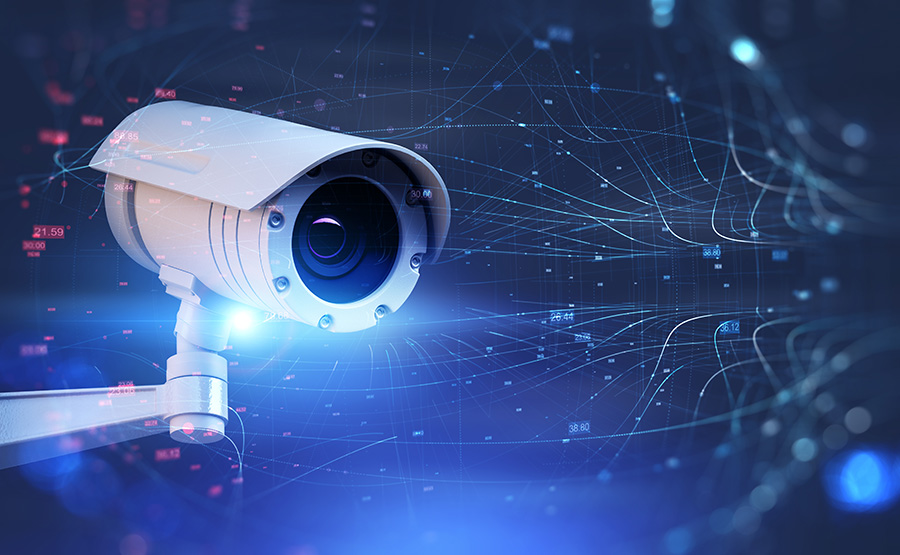
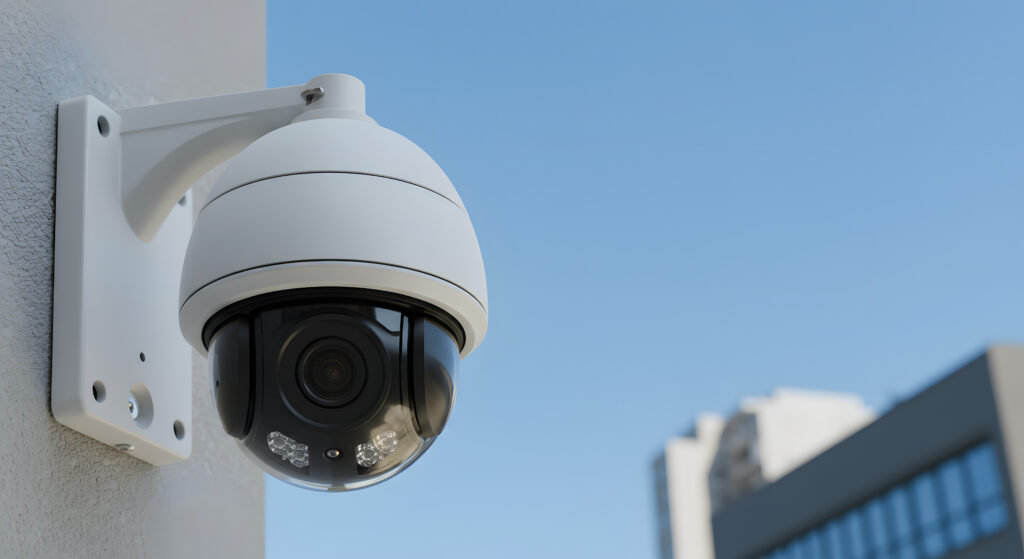
Surveillance cameras are used in many places, for crime prevention, safety management, checking the operating status of facilities, and more. Conventional surveillance cameras were not easy to install. They needed special cameras connected to dedicated recording and control equipment to store and check images and operate the cameras. Today, advances in camera and network equipment have made them smaller, cheaper, and easier to install, so they have become more familiar. Using the internet, they can also be operated remotely with ease.
Surveillance camera systems are very convenient, but they are useless if they are not working when it matters. Crime prevention and safety management systems need to keep monitoring 24 hours a day, 365 days a year. In such systems, a surveillance camera that stops without anyone noticing is a serious problem. Device health monitoring solves this problem. This article explains what device health monitoring is, its benefits, and how to implement it.
What is device health monitoring for surveillance cameras?
Device health monitoring (heartbeat monitoring) means monitoring from outside whether a device is actually working correctly. Devices can suddenly stop and freeze for many reasons, such as software bugs or voltage fluctuations in the commercial power supply. Surveillance cameras can also stop for some reason. When a camera stops, no image information comes in, so when you later try to check the information you need, nothing has been recorded. A stopped camera must be dealt with, for example by finding and fixing the cause, or by turning the power off and on again to restart it.
However, surveillance cameras are often installed where people cannot easily reach them, such as remote locations or high places. Finding the cause or restarting them takes a lot of time and effort. You could check their operation and status regularly to prevent problems, but that requires going to the camera site, which is hard to do. If cameras are installed in several places, the effort grows even more.
To solve these problems, device health monitoring for surveillance cameras determines automatically and remotely whether the cameras are working correctly.
Why device health monitoring is needed, and its benefits
Cases where a surveillance camera had stopped for some reason and recorded nothing happen frequently on actual sites. Often, people only notice that a camera has stopped when a problem occurs and they need to check the recorded images. People felt safe because a camera was there, but it was useless if it had not been working for a long time. This has been a major problem for the administrators and users of surveillance camera systems.
Device health monitoring solves this problem. If a surveillance camera system has device health monitoring, it constantly checks remotely whether cameras are working correctly and sends a notification when one stops, so you notice right away. You can also restart a stopped camera remotely. If that does not restore it, someone has to go to the site to check and fix it, but there is no need to visit often just to see whether cameras have stopped. This makes maintenance more efficient.
Device health monitoring is an essential function for keeping a surveillance camera system running normally. It makes it easy to see the operating status of cameras in remote or high places, which leads to efficient maintenance and lower upkeep costs.
How to implement device health monitoring
For computers and IT equipment, a common method is to use the ping command to send packets over the network to the server being monitored and check whether it responds. To monitor a surveillance camera from outside, it must also be connected to a network.
Surveillance cameras, sensors, and other IoT devices usually do not have functions to connect directly to the internet, because of size and power consumption. Image data from surveillance cameras is also large. With multiple cameras, if each camera sent its data directly to the network, it would put a heavy load on the cloud side. To monitor the health of surveillance cameras, you need a gateway or router with device health monitoring that connects the cameras to the network. With a gateway, you can not only monitor continuously whether cameras are working normally, but also display alerts when they stop and turn the power off and on to restart them remotely over the network. The gateway can also store original data temporarily and send only the necessary parts to the cloud to reduce the network load.
Gateways that enable device health monitoring of surveillance cameras
Surveillance cameras need not only the reliability of being confirmed to work correctly at all times through device health monitoring, but also high ruggedness, because they are often installed outdoors, in high places, or in dangerous places people cannot approach. Likewise, industrial gateways (Japanese) used in surveillance camera systems must be rugged, with good heat resistance, impact resistance, and electrical resistance. Because they exchange data over networks, they must also be robust in terms of information security.
Besides controlling camera operation and sending and receiving data, PoE (Power over Ethernet) (Japanese), which supplies power to cameras installed where power is hard to obtain, is also important. It also makes it easy to restart a camera that has gone down by turning its power off and on remotely.
Device health monitoring becomes even more effective with a cloud application or service for device management that monitors the health of the gateway itself, not just the cameras. With such a cloud application, you can also isolate faults, power-cycle individual cameras and communication modules, update firmware, distribute software, and perform automatic initial setup.
Summary
To run a surveillance camera system normally and stably, device health monitoring is essential. At the same time, implementing it requires industrial gateways and routers (Japanese) that are rugged, secure, and full-featured. Cloud applications can make these functions even stronger. The range of uses for surveillance cameras is expected to grow further. Make good use of device health monitoring and the functions, products, and applications that support it, and build a surveillance camera system with lower operating and maintenance costs.
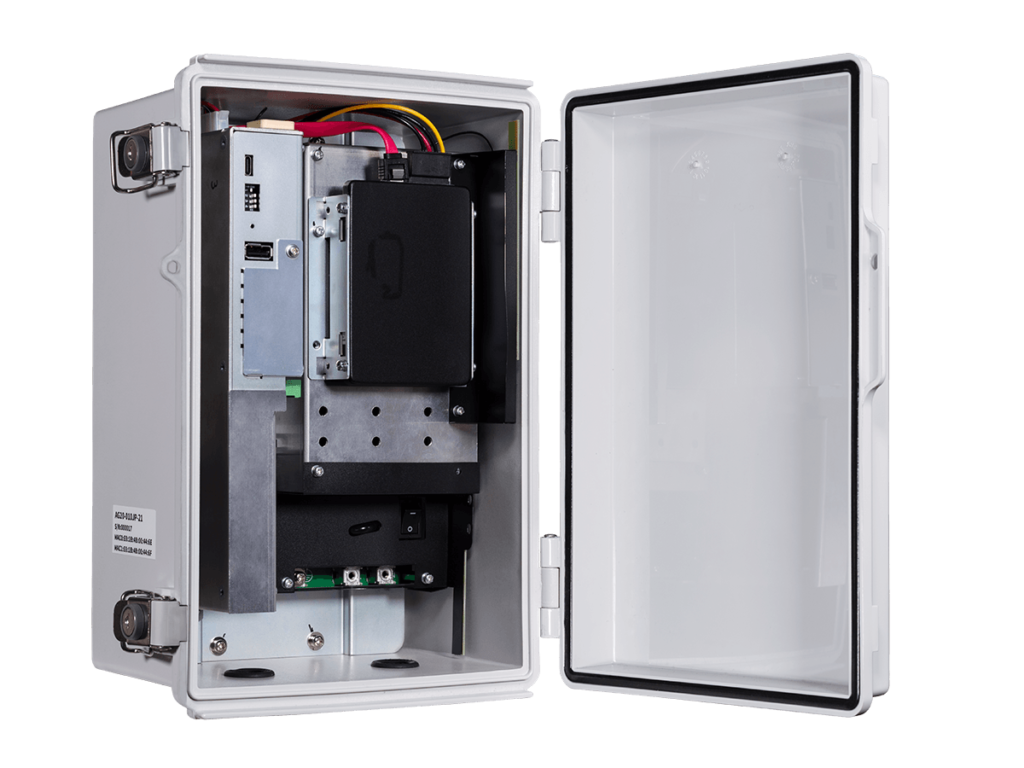
The following brochure explains the Edge Gateway (Outdoor) in detail.
Recommended products
Contact usProduct inquiries and documents
We can help you choose products and put together a package for your application. Consultations are free.