What is multi-carrier? The term and how to use it, explained
Mar 23, 2023

IoT and the cloud have become essential to business, and the networks they run on grow more important every year. At the same time, network outages that cut off communication have become a major risk. This article explains multi-carrier, an approach that is drawing attention as a way to overcome such outages, from the basics to how to use it.
What “multi-carrier” means
Multi-carrier has two main meanings. The first is a term used mainly in communication technology, where it refers to a type of wireless communication method. In this context, multi-carrier means communicating with multiple radio waves (carrier waves) that differ in frequency or other properties.
The second meaning is used mainly in IT business. It refers to using the wireless networks, communication methods, and frequency bands of more than one carrier. In Japan, the major carriers are NTT DOCOMO, SoftBank, and au. If you can use the mobile networks of both NTT DOCOMO and SoftBank, for example, that is multi-carrier. This article covers multi-carrier in this second sense.
What you need for multi-carrier use
To use the networks of different carriers, you need a few things.
Multiple SIM cards
You need multiple SIM cards with contracts from different carriers.
A multi-carrier communication device
You also need a communication device that supports multiple carriers. For example, some smartphones released in recent years can use two SIM cards.
A function to switch networks
Even with multiple SIM cards, you cannot get the benefits of multi-carrier without a function that switches networks as needed. Besides manual switching, you need functions such as automatically switching to a working network during radio interference, or automatically switching to a stronger network.
In recent years, technology that provides multi-carrier with a single SIM card has also been developed and is moving toward commercial use. With such a SIM, you may be able to use multi-carrier with one SIM card, even without a dedicated device. Keep an eye on new developments.
Why is multi-carrier needed?
Multi-carrier takes some preparation, so why is it in demand? Here are three main purposes for using it.
Preparing for network outages
With the spread of IoT and other technologies, carrier networks are becoming essential to business. Companies are adding redundancy not only to hardware, memory, and power supplies but also to their networks. Adopting multi-carrier for redundancy, in case one carrier’s network becomes unusable because of an outage, is a very effective countermeasure.
Installing in more places
Each carrier has built its network across Japan, but there are many places, such as mountain areas and underground shopping areas, where one carrier works and another does not. Often you cannot tell whether a network will work until you install the device on site. With multi-carrier support, you can use the carrier network that suits the location and communicate stably even where signals are relatively weak.
Switching to a stronger connection
Even in the same location, speeds can differ greatly between carriers. The fastest carrier can also change with the time of day. With a function that automatically selects a faster, stronger carrier, you can use the network more comfortably when you need high speeds.
Multi-carrier use cases
Multi-carrier functions are useful in situations such as the following.
Monitoring critical facilities
Carrier networks are often used to manage critical facilities such as water and power facilities. For critical facilities where monitoring must never stop, it is important to make the mobile network redundant as well, in case of network outages, radio interference, or other unexpected events. Multi-carrier is used for this.
Remote monitoring in remote areas
Carrier networks are widely used for river and landslide monitoring, especially in mountain areas where wired internet is hard to install. However, in such remote areas, signal strength can be a problem, and moving the installation point slightly can change which carrier network works. Checking which carriers are available also takes effort. Multi-carrier, which can automatically switch to a working carrier network, is therefore very useful.
Communication in moving vehicles
For cars, trucks, rail cars, and other moving vehicles, the available carrier network changes from moment to moment as they move. A function that automatically switches to a working network keeps communication stable wherever the vehicle is and helps ensure safe driving and operation.
Replacing ISDN
ISDN, used for bank ATMs and other systems, is a relatively stable line and is also used to back up corporate networks. However, the service is expected to end in January 2024. Adopting multi-carrier to replace ISDN, which must be highly reliable, provides redundancy and allows stable operation.
Using multi-carrier at low cost
The challenge of multi-carrier: cost
Multi-carrier helps keep communication stable, but its biggest challenge is cost. First, you need a multi-carrier device, and devices with two or more built-in communication modules are expensive. You also need contracts for multiple SIM cards, so running costs tend to be higher.
Choosing devices and services that keep costs to a minimum
In recent years, however, these issues have gradually been improving. First, multi-carrier devices are becoming less expensive. In particular, devices that switch multiple SIMs on a single communication module, rather than having several built-in modules, can be introduced at relatively low cost.
For running costs, pay-as-you-go plans have also appeared. Companies offer services that are free during periods of no use and charge only for what you use.
By using such products and services, you can use multi-carrier while keeping costs to a minimum.
Summary
This article covered multi-carrier, from the meaning of the term to how to use it and its challenges. Picture how you will actually use it and consider whether multi-carrier is effective for you.
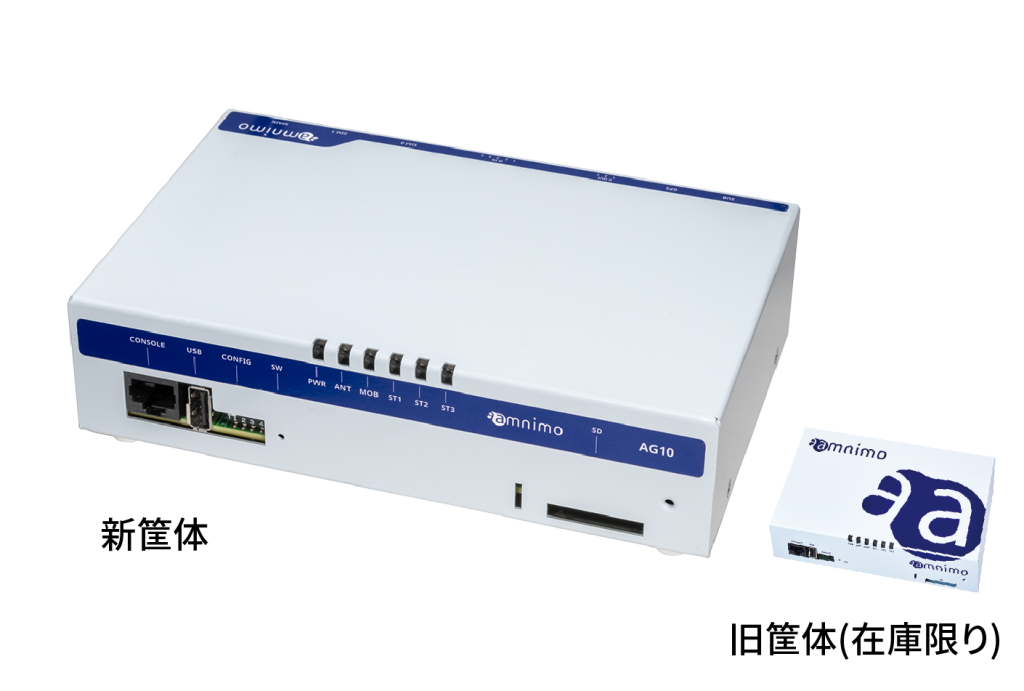
amnimo sells multi-carrier gateways and IoT routers. The Edge Gateway (Indoor) AG10 takes up to four SIM cards and supports multi-carrier use. When communication is cut off because of an outage or other problem, it automatically switches carrier networks to keep communication stable.
We also carry out connection testing with our carrier partners, so you can use SIMs from a wide range of providers, from major carriers to MVNOs.

Recommended products
Products related to this article
Contact usProduct inquiries and documents
We can help you choose products and put together a package for your application. Consultations are free.