A people counting system that measures crowd levels in real time with AI image analysis
Mar 23, 2023

The spread of COVID-19 started the era of the “new normal.” What matters is creating environments where people can gather with peace of mind. Infection risk must be kept to a minimum, especially in spaces used by many unspecified people, such as public spaces, restaurants, stores, hotels, and event venues, where people worry about the “Three Cs” (crowded places, close-contact settings, and closed spaces) and social distancing. People who want to use a facility may not act because they lack real-time information. This is why people counting systems, which show in real time how crowded a facility is, are drawing a lot of attention. Conventional counting systems could not count people accurately in crowds. However, major advances in AI image analysis and faster deep learning inference engines now make it possible to visualize how crowded an area is accurately, based on camera video. This article introduces the latest people counting technology: an overview, how it works, the benefits, and actual use cases.
How AI counts people: recognizing heads with AI
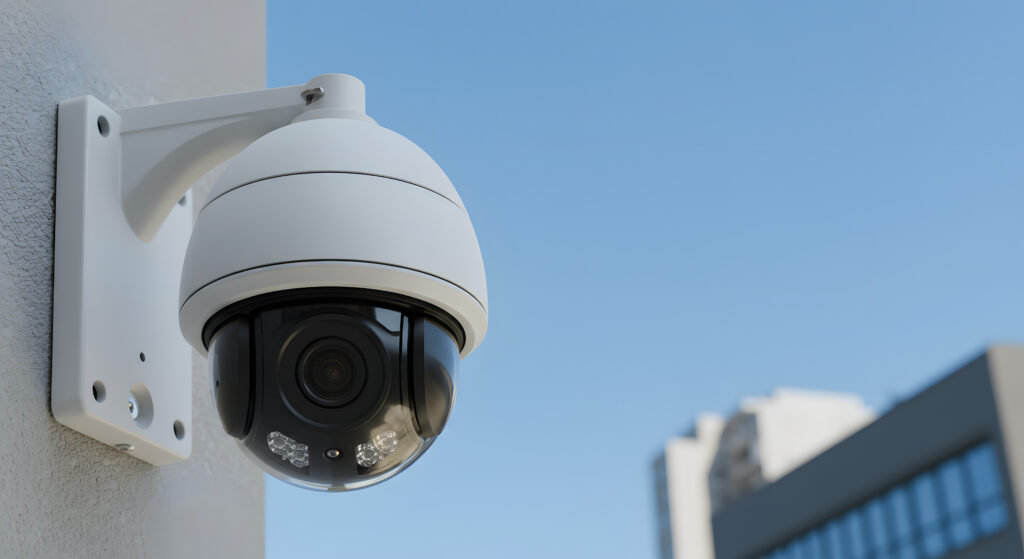
An AI people counting system uses AI to analyze video or images from network cameras in real time and easily count the people in a specified area. You can manage the results in real time. When the camera detects more people than a set threshold, the system displays an alert on screen or sends an email notification.
With conventional algorithms, a person was not counted unless their whole body was captured, so use was limited to places with few people coming and going. New algorithms can recognize and count people from their heads alone, so they can count people who are crowded together and overlapping, as well as people facing toward or away from the camera. This latest technology makes it easy to count people in crowds, which used to be difficult. It can also detect heads with high accuracy in low light, such as at night.
Examples of AI people counting
People counting is used in many situations, such as strengthening security and marketing.
Event venues
At event venues where large crowds gather, counting people by eye is very difficult. The larger the area, the more people and money it takes. A people counting system with the latest AI can count even in crowded situations where people overlap. Combined with cameras that record wide areas at high resolution, it also reduces the number of cameras needed and the operating costs. You can estimate visitor trends from accumulated counting data. By analyzing changes in the number of people over a specific period, you can plan for future events, for example by adding staff or reducing workloads.
Stations and airports
Stations and airports, where many people come and go, need to know the latest crowd levels. AI monitors platforms and train cars in real time and sends alert emails to guards and staff. This can be used as a trigger for restricting entry and helps prevent accidents and improve safety. It can also be used to improve operating schedules.
Pedestrian traffic surveys
AI people counting can solve problems in pedestrian traffic surveys, such as labor shortages and uncertain accuracy. At intersections in front of stations, it can survey pedestrian traffic and the exact number of people waiting at signals, collecting data for improving the intersection. Accumulated pedestrian count data can also help judge the location of new commercial facilities or attract commercial facilities to an area. This kind of marketing use is very valuable, so the range of uses is likely to grow further.
Stores such as shopping malls, supermarkets, and convenience stores
To ease crowding and reduce infection risk, it is important to understand how many people are in a store and how customers move. For example, counting the people passing through entrances lets you know exactly how many people are inside and avoid crowding. You can also check whether people stopped at a specified area and remind customers who did not use hand sanitizer at the entrance. At checkouts, where lines tend to form, the system can detect the number of people, predict waiting times, and automatically send requests or play announcements to open more registers. It also detects people accurately in dark places and at night, so it can be used for crime prevention. If it detects an intrusion, it can issue warnings with light and sound and notify guards in real time. Analyzing the flow and movement of people also shows how customers behave, which you can use for floor planning and other improvements. Storing and analyzing the collected data in the cloud helps you plan measures to increase sales and customer satisfaction.
Summary
During the COVID-19 pandemic, demand for people counting systems to keep people safe has risen sharply. Many solutions, services, and products are now available. They include applications that count people by linking existing network cameras with AI services, software that can count thousands of people with AI, AI cameras with people counting, 3D people counting cameras, apps that you simply install on certain AI cameras, tools that analyze recorded video with AI, and services available for a monthly fee only. Combining people counting with biometric authentication such as face authentication also makes it possible to analyze attributes such as age and gender, analyze repeat visits, and send notifications when specific customers arrive, all at the same time. People counting with AI will continue to be used more and more in security and marketing.
amnimo’s work on AI
We are developing a model of our edge gateway (Japanese), already on the market, with an AI chip. This model supports the ONNX framework for AI analysis logic, so it can run AI analysis logic created in common external deep learning environments. We are also developing a platform that distributes AI analysis logic to AI-equipped devices and lets them download it.
Recommended products
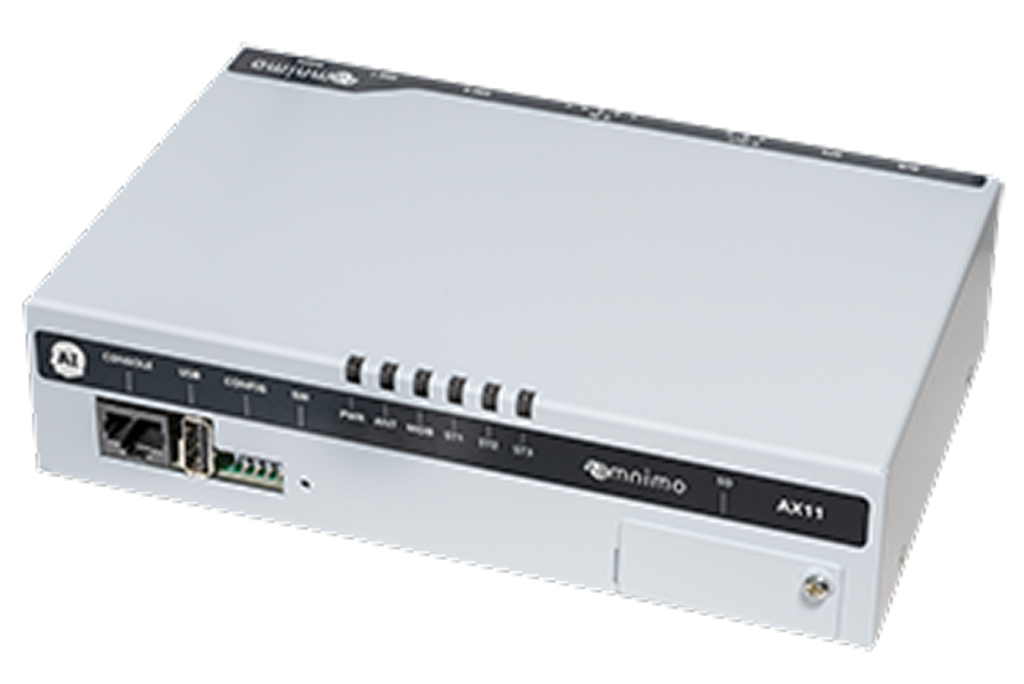
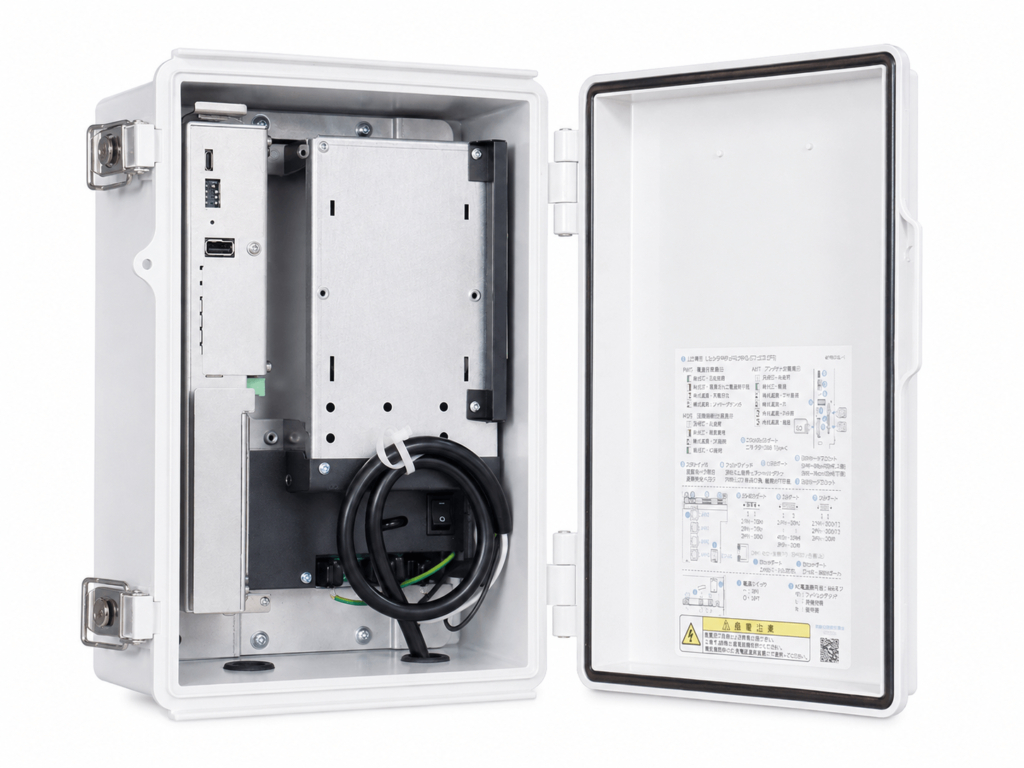
The following white paper explains the AI edge gateway with low-power AI image processing in detail.

Contact usProduct inquiries and documents
We can help you choose products and put together a package for your application. Consultations are free.