ISDN (INS) lines end in 2024: effects on companies and what to do in 2023
Jul 14, 2023
ISDN, a communication technology that uses digital lines, will end service in 2024. Even so, as of 2023, many companies and systems still use ISDN. This article explains the background and effects of the end of ISDN service and alternative services. It also covers what companies should do before ISDN ends.
What are the ISDN (INS) lines that end service in 2024?
ISDN is a line service that uses digital lines to integrate telephone, fax, and data communication. Its full name is Integrated Services Digital Network. It is commonly called ISDN, after the initials of the English words.
ISDN is a technology that uses telephone lines, and NTT launched the service in the 1980s. The internet already existed when ISDN appeared, but most connections used analog lines. ISDN enabled faster internet communication than before and greatly improved voice quality.
ISDN service is scheduled to end in 2024, and many companies now need to respond to the end of service.
Three reasons ISDN is ending
ISDN service is ending for the following reasons.
- Aging line equipment is hard to maintain
- Communication speeds are slow
- The burden on users is large
When it first appeared, ISDN was a new service, and many people used it. However, optical fiber, which is faster than ISDN, has since become widespread, and slow ISDN lines have become hard to use, so the number of users keeps falling. Another reason is that the public switched telephone network used by ISDN is deteriorating and becoming hard to maintain.
Schedule for switching from ISDN lines to the IP network
ISDN lines are scheduled to be migrated in stages from January 2024, and preparations for the migration are already under way.

Effects of the end of ISDN on companies
Preparations for the end of ISDN service are progressing, but ISDN lines are still widely used, for example for data exchange within companies, and the impact has drawn attention as the “2024 problem”.
The 2024 problem has many effects. Here are four that are expected to have a particularly large impact.
EDI (electronic data interchange)
EDI is a system for sharing documents such as purchase orders, delivery slips, and invoices over dedicated lines or the internet. EDI often uses ISDN lines, and the end of service may cause problems such as data not being reflected in systems or systems failing to work together.
POS
POS stands for “point of sale.” With POS, records such as when, which product, at what price, and how many were sold can be totaled at the time of sale.
ISDN lines are often used to send POS data, so the end of service may make it impossible to total the data.
Security terminals
Remote alarm security terminals that security companies install in homes and businesses may also use ISDN lines.
To keep using security terminals after ISDN ends, candidate migration targets include “broadband lines, including optical fiber, plus wireless lines,” which allow redundancy, and “dual wireless lines,” which use the wireless networks of two carriers.
Many security terminals are still in operation, and considering the staff needed for migration work, you will need to allow enough time for migration.
Bank ATMs
ISDN lines are also used for firm banking, which connects banks and companies for transfers, direct debits, and similar transactions. Firm banking is said to have more than about 100,000 users at the three megabanks alone, and migrating to the successor services is said to take time.
A stopgap measure is planned for the end of ISDN. However, transmission efficiency may be lower than with ISDN, connections may not work well, and the switchover will be done all at once, so payments may temporarily be impossible.
Besides the effects described so far, many industries may be affected, for example WAN systems needed for data backup and the online claims system that hospitals use to bill medical fees.
Given this situation, what should companies do? The following sections describe specific measures.
ISDN is ending soon: what companies should check in 2023
Here is what companies should do during 2023 to prepare for the end of ISDN lines.
1. Check the systems you use
First, check whether the communication lines for your current systems are ISDN lines.
Besides checking the equipment itself, you can check the instruction manuals or the bills from NTT. If the bill includes an item for INS-Net communication charges, the line is ISDN.
2. Prepare and test the migration
Next, prepare to move to an alternative service.
If you can move to IP communication, optical IP lines or LTE are alternatives. However, be careful: some types of equipment cannot be supported, or speeds may drop.
Preparation work may disrupt daily operations, so it is important to plan procedures and schedules carefully while running tests. Also inform business partners and others as needed.
3. Check stopgap measures in case you cannot finish in time
Migration may take time and might not be completed by January 2024. To prepare for this, it is also important to check stopgap measures in advance. One specific stopgap measure is the “data communication on INS-Net after the switchover” service provided by NTT. Check this service.
Note that with the end of ISDN, equipment that supports only ISDN interfaces can no longer be used. If you absolutely must keep using such equipment, you can do so by combining an ISDN-IP conversion adapter with an LTE router. The next section explains this.
You can keep using ISDN equipment
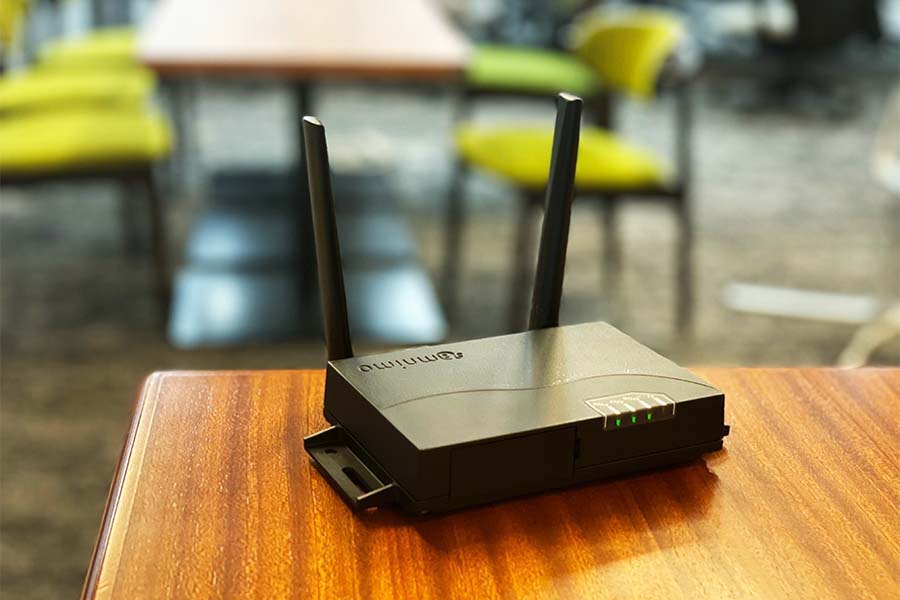
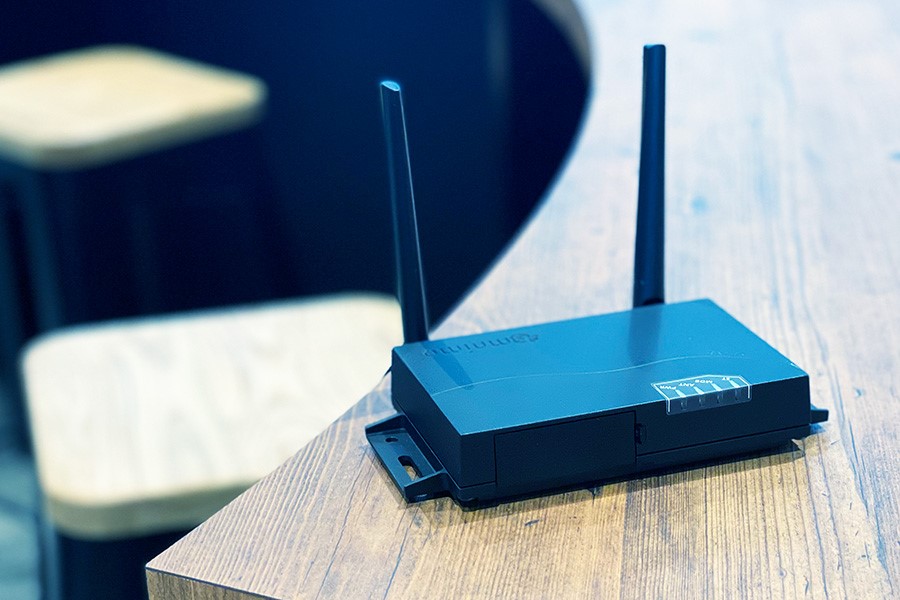
When the migration target is LTE, amnimo Inc. can provide the Compact Router (Indoor) AC10, an inexpensive and rugged IoT router, for building the new network.
Also, the end of ISDN means that legacy equipment that supports only ISDN interfaces can no longer be used. To deal with this, combining an ISDN-IP conversion adapter with an LTE router lets you keep using legacy equipment. One conversion adapter available on the market is the LAN Adaptor from KOGA ELECTRONICS Co., Ltd.
With the configuration shown below using this conversion adapter, terminals that support only BRI (the interface used for INS64 and similar services) can continue to be used by connecting them to the LTE network. There are also systems that use other conversion adapters to replace low-speed leased lines with networks using LTE.

It is now 2023, and the end of ISDN is near, but many companies have not yet responded. Migration is not just a matter of changing lines. It takes huge costs and effort, so you need a way to make use of existing equipment.
Recommended products
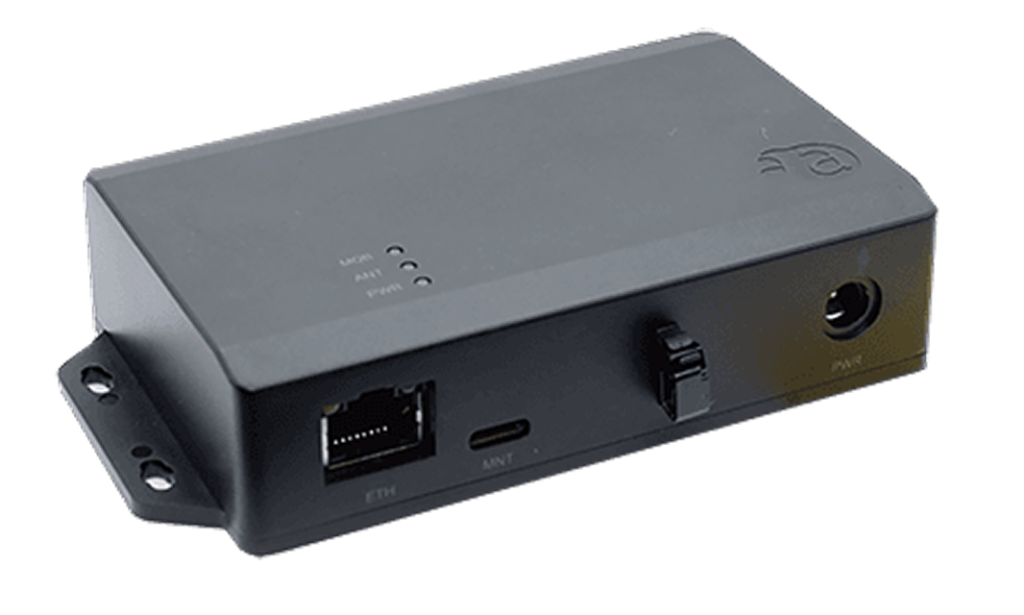
amnimo Inc. provides IoT routers for many industrial uses. If you are considering continuing to use ISDN equipment or are interested in IoT routers, contact us below.
Products related to this article
Contact usProduct inquiries and documents
We can help you choose products and put together a package for your application. Consultations are free.