Make good use of remote monitoring: benefits and points to watch for remote monitoring cameras
Mar 25, 2023

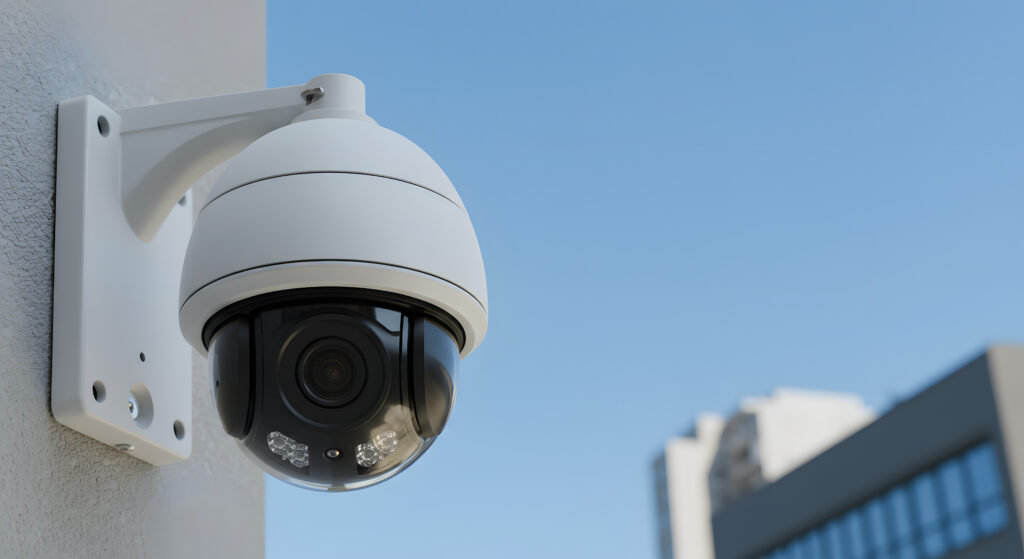
Remote monitoring systems are used in many places, for example to check the operating status of equipment in distant locations, to observe dangerous places, and to monitor facilities that need high security 24 hours a day. Advances in the internet, cameras, and IoT devices have made them more familiar.
This article explains what a remote monitoring system is, the benefits of using one, and points to watch.
What is a remote monitoring system?
Conventional monitoring systems for facility management and security cameras processed information from sensors and cameras with dedicated equipment, such as monitors, recorders, and computers for data processing. Data was exchanged over wires such as coaxial cables, and recording, viewing, and data processing took place in the dedicated equipment. As a result, data could only be viewed in the factory where the equipment was or in a nearby control room.
In a remote monitoring system, sensors and cameras are connected to the internet through a router or gateway. You can view the data from the monitoring system from anywhere with internet access. With conventional monitoring systems, operating sensors or cameras also meant going to the control room or to the site where they were installed. With a remote monitoring system, you can operate them from a distance over the internet and even restart them if they stop for some reason.
In addition, with the cloud services that have spread in recent years, you can build a remote monitoring system without installing servers in-house or building a large network. From managing and monitoring factories and large commercial facilities to individuals checking on their pets with a smartphone while away, remote monitoring systems have become easy to use and familiar.
Benefits of remote monitoring systems
Introducing a remote monitoring system has many benefits. The first is that you can manage and monitor multiple locations from one distant place.
For example, a company with several factories across Japan would traditionally install a monitoring system in each factory to constantly check machine operating status and production volume, and manage each factory separately. The head office would get an overall picture from the data each factory sends and give instructions to each factory. With a remote monitoring system, the head office can see the operating status of the machines in all factories. This can greatly reduce staff and costs. By sending information from the sensors on the machines to the cloud and analyzing it with AI, you can also carry out predictive maintenance that anticipates failures and problems. Based on the results, the head office can manage the parts needed for maintenance centrally to reduce costs further.
With a remote monitoring system, you can also monitor safely and easily in places with harsh natural conditions, places people cannot easily enter, and places you cannot visit often. There is no need to go and collect the data cards in sensors and cameras. Remote monitoring is already used in volcanic areas, mountain areas, disaster-prone places, large farmland, and large facilities that people cannot fully patrol.
With a remote monitoring system, you can manage things you could not manage before and monitor things you could not see before, around the clock.
Points to watch when using a remote monitoring system
Remote monitoring systems are very convenient and useful, but there are some points to watch. The first is security. A remote monitoring system exchanges data with the outside over the internet. If security is weak, it lets intruders in from outside. You must manage access IDs and passwords and make sure communication is encrypted. It is also important to clearly define who is responsible for management and the management procedures, and to check the whole system regularly, so that human error does not create security holes.
Another point that is easy to overlook is sensors and cameras stopping. Sensor data and camera images are recorded around the clock, but there are few occasions to check them unless something unusual happens. If a device has stopped, nothing will have been recorded when you check after something happens.
Many remote monitoring systems have a function that detects and reports when data from sensors or cameras stops. Using this function prevents devices from being left stopped. In addition, sensors and cameras are often in places people cannot easily reach, so restarting them by hand takes a lot of time and effort. With functions to control the system remotely, you may be able to recover without going to the site.
Summary
With the development of mobile phone networks and advances in wireless communication technologies, large amounts of data can now be sent wirelessly at high speed, and remote monitoring systems are used more than ever. Not only better cameras and IoT devices, but also better gateways, which are the entrance to the network, the development of cloud services, and advances in AI have made remote monitoring systems easier, cheaper, and simpler to introduce. The range of uses for remote monitoring systems will continue to grow.
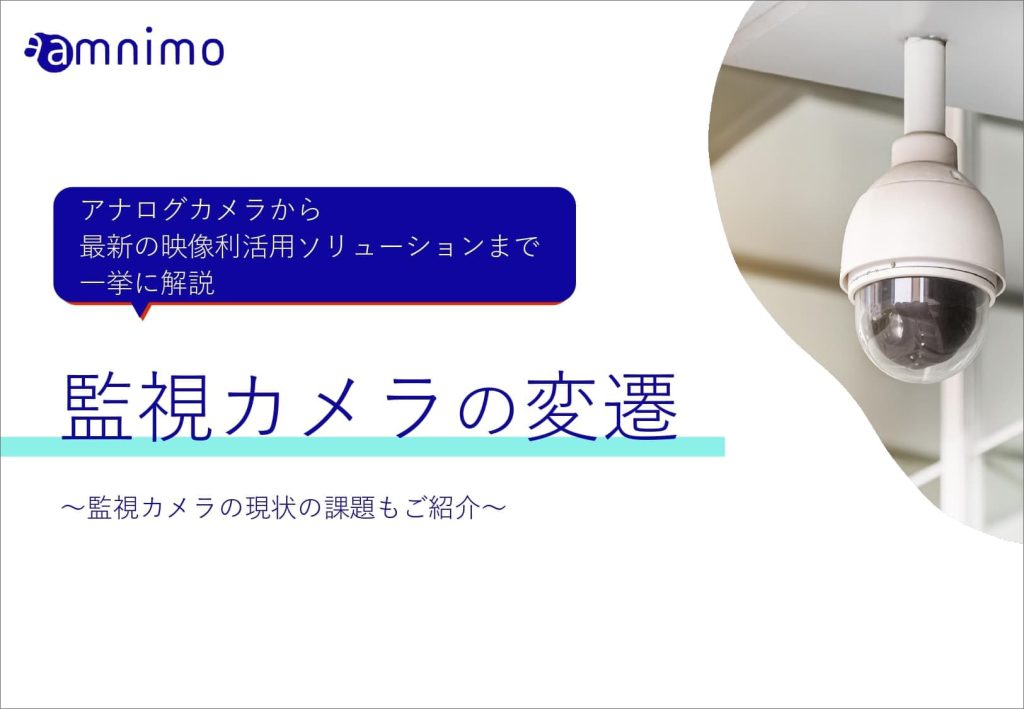
The following white paper explains the history of surveillance cameras and current challenges in detail.
Contact usProduct inquiries and documents
We can help you choose products and put together a package for your application. Consultations are free.