What is edge computing? Examples, challenges, and future outlook
Mar 23, 2023

With the development and wider use of IoT technology, edge computing has drawn attention. Edge computing can be called an essential technology for a future in which IoT spreads even further. Development of devices and research on the technology are active, and this trend is expected to accelerate.
This article explains what edge computing is, along with examples of its use, its challenges, and its future.
What is edge computing?
In recent years, cloud computing, which gathers data on remote servers and processes it all together, has become widespread. The name comes from comparing remote servers to clouds in the sky. Cloud computing not only lets you manage data from many locations in one place but also produces more advanced results by processing data on powerful servers.
Edge computing is the opposite of cloud computing. Servers or gateway devices that process data are placed near the devices, or the devices themselves have some data processing capability. It is called edge computing because data is processed at the edge of the network.
One reason edge computing has drawn attention is the limit of cloud processing capacity as smartphones and IoT devices spread. The number of devices already connected to the internet is said to be in the tens of billions, and it is expected to keep growing exponentially. If all kinds of data from every device were sent to the cloud, the volume might eventually become impossible to process. Processing data that can be handled at the edge on edge devices, and choosing at the edge which data to send to servers, reduces the load on servers.
Communication speed also depends on the distance to the server, so processes that need real-time response, such as emergency stops of machines after a problem is detected or judging signs of disasters from surveillance cameras, may be delayed. And if all processing is done in the cloud, a communication failure with the cloud could leave nothing under control and stop everything.
Edge computing makes up for these disadvantages of cloud computing. It is an important element in the spread of IoT, which connects things to the internet.
Examples of edge computing
Edge computing is already used in many industries, such as factories, automobiles, agriculture, retail, and healthcare.
Edge computing in factories
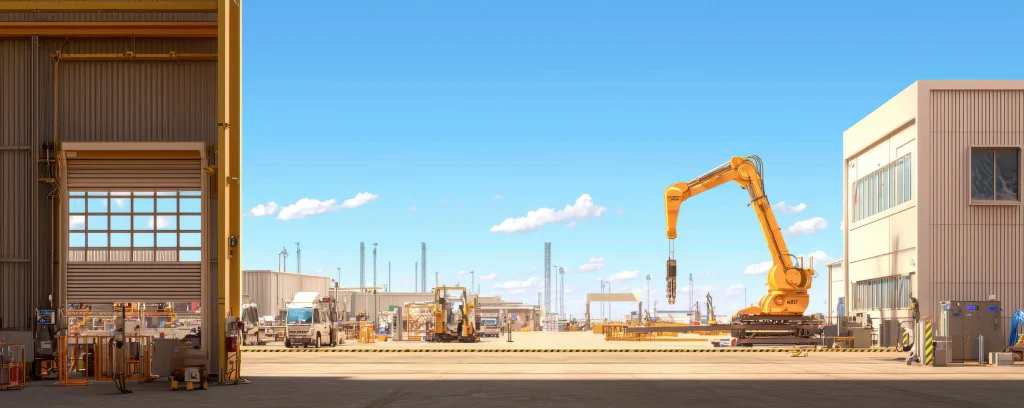
Edge computing is used to process data from production equipment in factories. Production equipment has many sensors that output large amounts of data continuously. Sending all this data to the cloud would not only load the servers but also send data that does not need processing, raising communication costs. Servers or gateways installed near the production equipment process the data, send to the cloud what should go there, and handle urgent data at the edge. This keeps responses real-time and reduces costs.
Automobiles
Edge computing technology is used in cars, where research on autonomous driving is advancing. Autonomous driving requires instant decisions that affect human lives, and acting on them. Sending data to the cloud for processing and waiting for the results would be too slow. For urgent matters, the car’s onboard computer processes data from cameras and radar and makes decisions instantly. Tasks that analyze large amounts of information, such as checking vehicle operating status and collecting data for more comfortable driving, are processed by storing data in the cloud from cars connected to outside networks (connected cars).
Retail
In retail, edge computing is used to analyze customer behavior. Security cameras in stores capture video of customers moving through the store. Sending this video to the cloud as is would mean huge amounts of data, higher communication costs, and a heavy load on servers.
A computer in the store processes the security camera images, captures people’s positions as coordinates, and sends only the position data to the cloud. By analyzing customers’ position data, the server shows how many people moved through the store, how, and at what times. Chains with many stores can also analyze differences due to each store’s location. If an application service or AI model that predicts people’s next actions from their movements runs on the store’s computer, it can anticipate criminal acts instantly and respond appropriately, without delays from communicating with the server.
Industries that use surveillance cameras
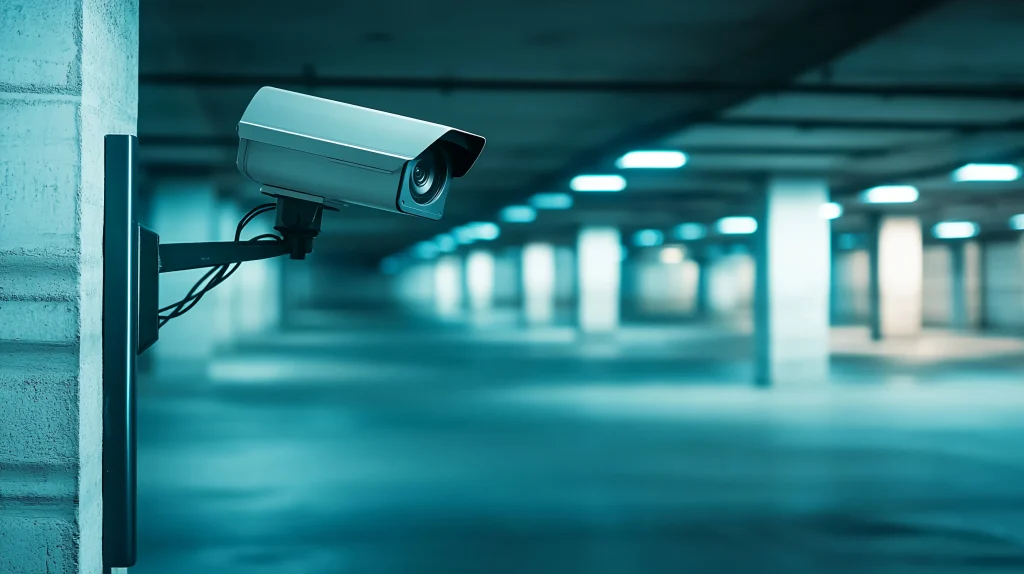
Edge computing is also drawing attention in industries that use surveillance cameras for safety management of buildings and large facilities and for monitoring disaster-prone areas. Safety management and disaster preparedness involve many processes that need real-time response. Doing some of the processing at the edge keeps responses real-time. The edge also constantly checks whether surveillance cameras have stopped because of failure or damage, so that video is not interrupted.
For example, security companies today rely mainly on remote alarm security with alarm devices such as intrusion detection sensors. In addition, they now want to view surveillance camera video remotely and then decide whether to send guards to the site. Uses of surveillance camera video across security company operations are also increasing, such as counting people passing by and identifying license plates. Against this background of market demand, systems that rarely stop are expected.
Challenges of edge computing
There are also challenges to the further spread of edge computing. As devices become more advanced and more numerous, the amount of data they output grows, and large amounts of data must be processed at high speed. This requires computers that are more powerful than ever, yet small and low-power. Computers used near factory equipment or in cars must also withstand heat, vibration, and impact. Higher processing power means more power consumption and makes miniaturization harder. Countermeasures against heat and other conditions must also be thorough.
Stronger security is also important. Small computers operating near equipment are inconspicuous. You need to watch not only for attacks from outside over the network but also for physical security, such as devices being stolen and analyzed. Using processors with enhanced security, such as those with a separate secure environment, can reduce the risk.
Summary
The number of devices connected to networks will keep growing, and the fields where edge computing is used will expand further. It will become so familiar that people may not even notice they are using it. Advances in computers, such as better functions and smaller size, together with developments in communication technology such as 5G, have made edge computing easier to achieve. It is important to use cloud computing and edge computing as the situation requires. This lets you build an advanced, stable system that suits your needs.
The following white paper explains in detail how the technologies used to make use of surveillance camera video have changed.

Contact usProduct inquiries and documents
We can help you choose products and put together a package for your application. Consultations are free.