Not just for temperature checks: what thermal cameras are, how they work, and where they are used
Mar 23, 2023

Thermal cameras were installed in public and commercial facilities as part of COVID-19 measures, and they are now a common sight. They have become part of everyday life, but few people know how they work, what their features are, or that they are actually used in many places. This article explains how thermal cameras work, their features and uses, and the advantages and disadvantages of choosing them as surveillance cameras.
What is a thermal camera?
A thermal camera detects the heat of an object and visualizes its temperature distribution. The image from a thermal camera is called a thermogram. In the image, areas where the surface temperature is high appear red, and areas where it is low appear blue.
How thermal cameras work
A thermal camera measures temperature by detecting infrared radiation, without touching the object.
Infrared is part of the electromagnetic spectrum (wavelengths of light). The human eye can detect only visible light, so we cannot see infrared. However, every object above absolute zero (-273.15°C) emits it. The higher the temperature, the stronger the infrared energy. A thermal camera detects infrared energy through a lens and assigns colors according to its strength to visualize temperature distribution data.
Features of thermal cameras
Captures the whole object without contact
Thermal cameras measure temperature without contact, so they are useful for COVID-19 measures, inspecting hazardous or very hot objects, and other situations where you cannot touch the object. Because they show temperature as an image, they can measure the temperature of an entire object in real time, which is hard with an ordinary thermometer.
Records in darkness
An ordinary camera records images by capturing light reflected from the subject, so it needs a light source. In darkness without a light source, or against backlight, it is hard to record a clear image without lighting or other equipment. A thermal camera captures the infrared emitted by the subject itself, so it needs no light source and can record day or night.
Records from a distance
Depending on the camera’s performance, the subject, and the environment, a thermal camera can detect over a wider range than an ordinary camera. Even where it is hard to install a camera nearby, such as at heights or at sea, a thermal camera can record safely from a distance.
Records in poor visibility
The infrared radiation that thermal cameras capture penetrates better than ordinary light. Unlike ordinary cameras, thermal cameras can therefore record objects without being affected by fog and other bad weather.
Examples of thermal camera use
These features show that thermal cameras can be useful in many situations. Here are some examples of how they are actually used, from common uses to uses expected in the future.
Checking people’s temperatures in public and commercial facilities
Thermal cameras are installed where many people come and go, such as the entrances of stores, offices, airports, and large event venues. They measure body temperature as part of measures against COVID-19 and other infectious diseases. They can measure several people at once instantly without contact, so you can check for people with fever easily and quickly while avoiding the risk of infection.
Security monitoring at sea, at borders, and at industrial facilities
Thermal cameras are well suited to watching for intruders at sea and at borders, where risks are high at night and in bad weather. They work in darkness and over long distances, so they can reliably detect intruders. At power plants, factories, and other industrial facilities, they also help prevent accidents and disasters by monitoring equipment for abnormal temperature rises, in addition to watching for intruders.
Watching over older people who live alone
As society ages, thermal cameras are drawing attention for services that watch over older people living alone. An ordinary camera shows everything, which risks privacy problems. A thermal camera captures only temperature distribution, so it can watch over people while respecting their privacy.
For surveillance, which is better: a thermal camera or an ordinary camera?
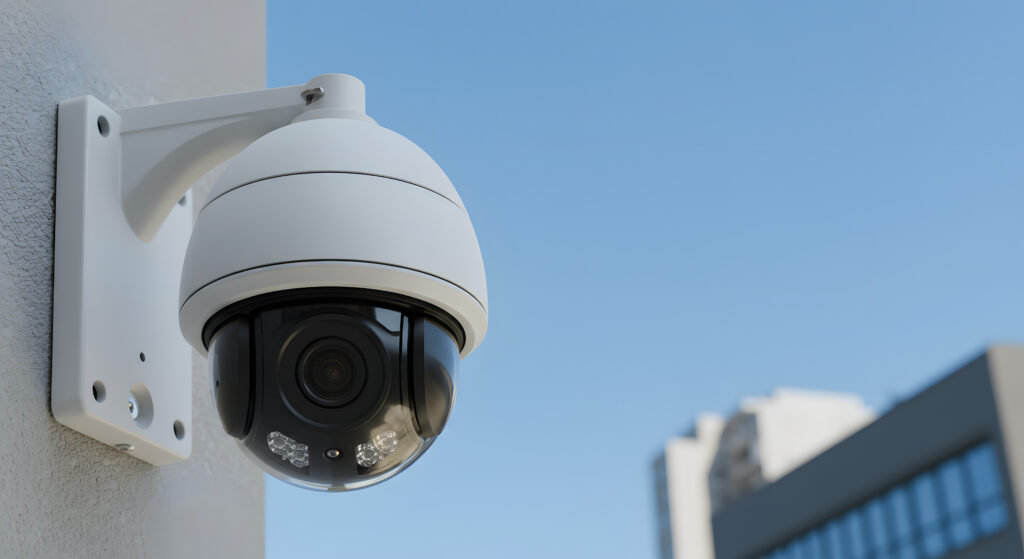
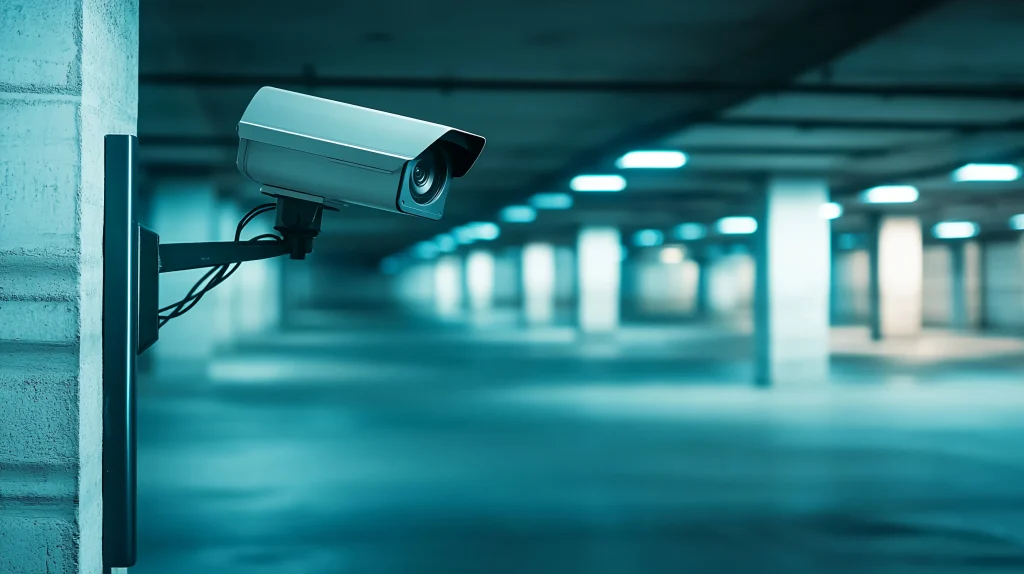
Security monitoring came up in the examples above. If you want to build a security system with surveillance or security cameras, should you choose a thermal camera or an ordinary camera?
The advantages and disadvantages are summarized below. Consider what and where you want to monitor, and choose a camera that fits your purpose and conditions.
Ordinary cameras
Advantages
– Can identify intruders
– Relatively low price
Disadvantages
– Hard to record at night or in bad weather with the camera alone
– Many cameras are needed to monitor a wide area
Thermal cameras
Advantages
– Can record day or night, in any weather
– One camera covers a wide area, so installation and management costs are low
Disadvantages
– Cannot identify intruders
– Relatively expensive
Summary
This article explained how thermal cameras work, their features and uses, and the advantages and disadvantages of choosing them as surveillance cameras. As an important “new normal” product that supports our daily lives, thermal cameras will continue to be used in more and more places.
amnimo solutions for building surveillance camera systems
amnimo provides IoT devices and services well suited to crime prevention, social infrastructure, and disaster preparedness. You can build a system that runs 24 hours a day at low cost and operate it efficiently.
– Four PoE (Japanese) ports on the gateway (Japanese) for remotely rebooting cameras when they freeze
– Industrial SSD for recording camera video (edge recording)
– High-performance CPU that can run full video management software (Japanese) on the device itself
– Automatic switching between four SIMs (Japanese) when a carrier has an outage
– Video management system (Nx Witness (Japanese)) with smart search for fast searching
– Combines multiple devices (PoE (Japanese) switch, video recorder, LTE router (Japanese), and VMS (Japanese)) into one
For questions about our products, contact us below.
Contact usProduct inquiries and documents
We can help you choose products and put together a package for your application. Consultations are free.