What is “smart industrial safety,” promoted by METI?
Mar 23, 2023

Smart industrial safety (smart hoan) is a concept for smarter safety management systems and methods that use IoT and other advanced technologies. The Ministry of Economy, Trade and Industry (METI) is leading efforts to put it into practice. In June 2020, METI launched the Public-Private Council on Smart Industrial Safety. At its first meeting on June 29, 2020, the Council approved and published the “Basic Policy for Promoting Smart Industrial Safety.”
This article explains what smart industrial safety is, which fields need it, and what specific efforts are spreading.
What is smart industrial safety?
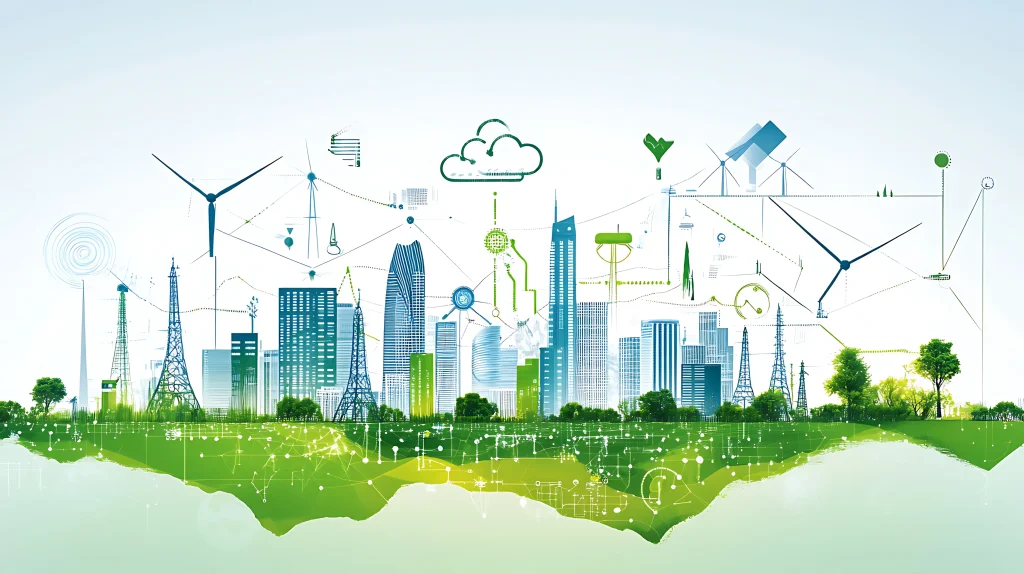
Smart industrial safety is a concept, promoted under METI’s leadership, for more efficient and safer safety management systems and methods that use IoT and other advanced technologies. It covers industrial and energy infrastructure such as oil, chemicals, electric power, and gas. The background includes structural issues and many changes in the environment: aging facilities, an aging workforce and long-term labor shortages, weaker transfer of technology and skills, more severe disasters, terrorism risks, and the growth of a digital society driven by new technologies.
In April 2017, METI published a collection of leading smart industrial safety cases. It introduced examples of industrial and infrastructure companies that made maintenance more efficient by using data collected with IoT and other methods.
What is the Public-Private Council on Smart Industrial Safety?
With growing expectations for smart industrial safety, METI launched the Public-Private Council on Smart Industrial Safety in June 2020. At its first meeting on June 29, 2020, the Council approved and published the “Basic Policy for Promoting Smart Industrial Safety.” The Council set up three subcommittees: high-pressure gas safety, gas safety, and electric power safety. For each business segment, they study the future of more efficient and safer safety methods that use IoT and other new technologies, while carrying out measures such as deregulation at the same time.
For example, regulations for high-pressure gas plants were eased in 2017. Under the old system, plants had to shut down equipment for inspection every three years. After the reform, companies with advanced maintenance capabilities can run continuously for eight years.
Promoting smart industrial safety in the power sector
Electric power is one of the fields where smart industrial safety is strongly promoted. The Council’s electric power safety subcommittee has met regularly since July 2020, and METI is also easing safety regulations for the power sector.
Action Plan for Smart Industrial Safety in Electrical Safety
In April 2021, the Council’s electric power safety subcommittee published the “Action Plan for Smart Industrial Safety in Electrical Safety.” The action plan points out the following issues in electrical safety today.
- Labor shortages due to aging safety workers and fewer new entrants
- Aging customer-side electrical equipment
- More accidents at renewable energy power plants due to more severe natural disasters
- COVID-19 making it harder to continue safety work
The action plan aims to overcome these issues by introducing new technologies. The priority technology areas it lists include the following.
1. Remote and continuous monitoring with sensors, surveillance cameras, and IoT technology
2. Video-based maintenance and inspection of high or hard-to-reach equipment with drones and other tools
3. Predictive diagnosis and preventive maintenance with data analysis by AI and other tools
These are some of the items listed.
The “Interpretation and Operation of the Chief Engineer System (Internal Rules)”
As part of easing safety regulations for the power sector, METI established the “Interpretation and Operation of the Chief Engineer System (Internal Rules)” in March 2021. It stated that monthly inspections of power equipment and facilities may be carried out remotely, with some exceptions such as distribution boards for solar power. This eased regulations and made it possible to reduce the number of people needed for inspections. Similar deregulation has happened in other industries. For example, in the 1990s, regulations on periodic elevator inspections were eased. Before that, a technician had to be sent for each periodic inspection. After remote diagnosis over communication lines was allowed, remote monitoring of elevators with IoT (then called M2M) spread rapidly. In the power industry as well, this deregulation is expected to drive the rapid spread of remote monitoring with IoT and smart industrial safety.
Summary
As described above, METI is encouraging the power safety industry to adopt smart industrial safety. It does this by presenting action plans to private companies and actively easing regulations, so that companies introduce remote monitoring with IoT and video, data analysis with AI, and similar technologies. Companies are therefore expected to invest more in this field.
The following white paper explains in detail how video monitoring and AI are being introduced in electrical safety management.

Contact usProduct inquiries and documents
We can help you choose products and put together a package for your application. Consultations are free.